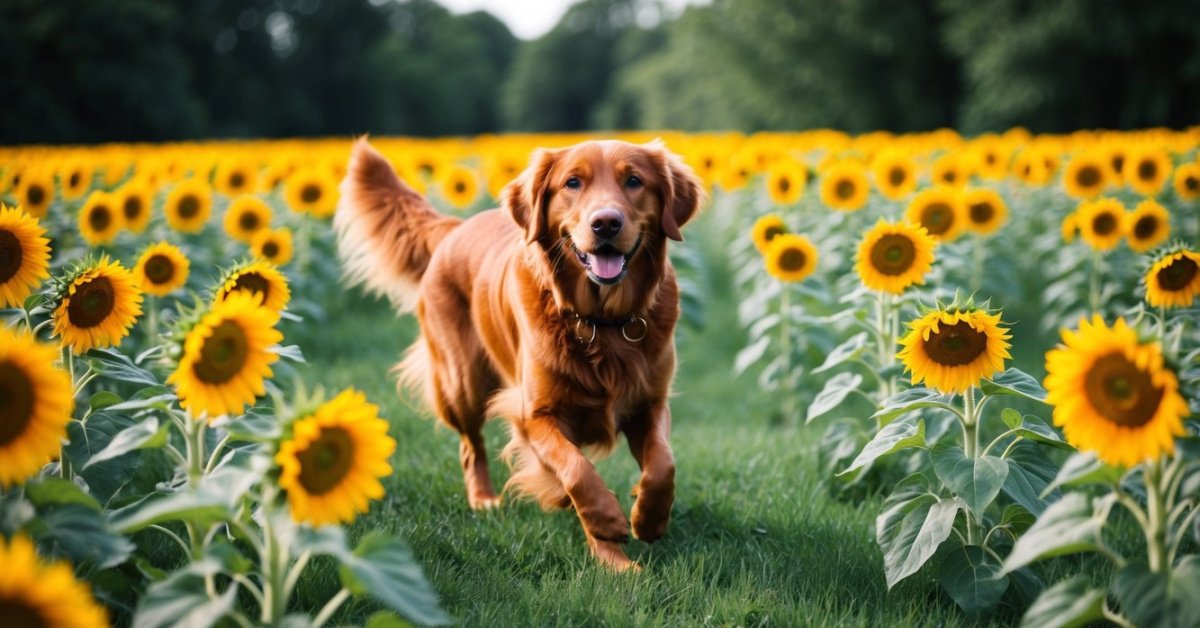
Teaching a Golden Retriever to roll over is a fun and rewarding experience. These lovable pups are not just great companions; they’re eager learners who thrive on positive reinforcement. If you’ve ever watched a dog perform this trick, you know it brings smiles and laughter to everyone around.
Understanding the Basics of Dog Training
Successful dog training relies on understanding key principles. Consistency and positive reinforcement form the foundation for teaching new tricks, like rolling over.
Importance of Positive Reinforcement
Positive reinforcement encourages desired behaviors through rewards. I use treats, praise, or playtime to motivate my Golden Retriever during training sessions. Rewarding immediately after a correct action reinforces the behavior, making it more likely to be repeated. This method fosters a strong bond and keeps training enjoyable for my dog.
Timing and Consistency
Timing plays a critical role in dog training. I provide rewards or corrections within seconds of the behavior, ensuring my Golden Retriever associates the action with the response. Consistency in commands and rewards enhances understanding. I use the same cues each time, helping my dog learn more effectively. Regular training sessions, ideally lasting 5-10 minutes, maintain focus and enthusiasm.
Preparing Your Golden Retriever
Preparing your Golden Retriever for training sets the foundation for success. Ensuring they are ready and equipped makes the process enjoyable and effective.
Assessing Readiness for Training
Assessing my Golden Retriever’s readiness involves observing their behavior and energy levels. Looking for a calm environment helps minimize distractions. Ensuring they’ve had sufficient exercise can enhance their focus during training. I check their mood; a happy, relaxed dog learns better. If they resist or seem anxious, I take a step back and try again later.
Essential Training Tools
Using the right tools simplifies training. Key items include:
- Treats: Small, tasty treats serve as effective rewards for good behavior. I use high-value treats to keep my dog motivated.
- Clicker: A clicker provides clear and immediate feedback about the desired action. I find it helpful for marking the exact moment my dog performs the trick.
- Leash: A sturdy leash helps maintain control, especially in initial lessons. I keep it loose to create a relaxed atmosphere while training.
- Training mat: A designated spot for my dog offers comfort and familiarity. Using a mat signals that training is about to start.
- Patience: I prioritize patience and consistency as essential tools in my training toolkit. Staying calm and encouraging enhances the learning experience.
Gathering these tools ensures I’m fully prepared to teach my Golden Retriever to roll over successfully.
Step-by-Step Guide to Teaching a Golden Retriever to Roll Over
Teaching a Golden Retriever to roll over is a fun and rewarding process. I’ll outline the steps to make this training enjoyable for both you and your dog.


Step 1: Teaching the “Lie Down” Command
- Command consistency: Use the command “lie down” every time. Choose a quiet spot without distractions.
- Positioning: Start with your Golden Retriever in a standing position.
- Encourage lying down: Hold a treat close to their nose, moving it toward the ground.
- Reward: Once they lie down, praise them and give the treat.
- Repeat: Practice this step several times until your dog consistently responds to the “lie down” command.
Step 2: Introducing the Roll Over Movement
- Start with lying down: Ensure your dog is in the “lie down” position from the previous step.
- Use a treat: Keep their attention by holding a treat above their head, then slowly move it toward their shoulder.
- Guide the motion: As your dog turns their head to follow the treat, gently encourage them to roll onto their side. Use a phrase like “roll over” as you guide them.
- Complete the roll: Move the treat to encourage a full roll. Reward and praise as soon as they complete this action.
- Practice: Repeat this several times to help them associate the motion with the command.
Step 3: Adding Cues and Rewards
- Introduce verbal cues: Once your dog successfully rolls over, use the “roll over” command before presenting the treat.
- Reinforcement: Always reward with treats and verbal praise immediately after the roll to strengthen their learning.
- Gradual fading of assistance: Reduce physical guidance as your dog becomes more confident, relying on verbal cues and treats instead.
- Short sessions: Keep training sessions brief but frequent to maintain enthusiasm. Aim for 5-10 minutes per session.
- Consistency: Repeat the steps regularly, ensuring the commands remain consistent to solidify their understanding.
Common Challenges and Solutions
Teaching a Golden Retriever to roll over presents a few challenges. Understanding these hurdles and implementing effective solutions ensures a more successful training experience.
Overcoming Fear or Resistance
Sometimes, a Golden Retriever may show fear or resistance during training. To address this, I focus on building trust and confidence. I begin with familiar commands in a comfortable space, gradually introducing the roll over trick. I’ll use enthusiastic praise and small treats to create a positive association with the movement. If my dog hesitates, I don’t force it; instead, I encourage the behavior with gentle guidance and patience. This approach helps my dog feel secure and willing to try.
Dealing with Distractions
Distractions can impede training sessions, especially with curious Golden Retrievers. To minimize these interruptions, I select a quiet area for practice, free from loud noises and other pets. If distractions occur, I pause the training and refocus before continuing. I also employ short training sessions, keeping my dog’s attention sharp. By gradually introducing more challenging environments as my dog masters the roll over trick, I can help them learn to concentrate amid distractions.
Tips for Success
Teaching a Golden Retriever to roll over can be a rewarding experience. These tips enhance the training process and help ensure a successful outcome.
Keeping Training Sessions Short and Fun
Keeping training sessions brief encourages engagement. Aim for 5 to 10 minutes per session to maintain your dog’s attention. Focus on fun by incorporating play into your routines. When your Golden Retriever associates training with enjoyable experiences, motivation increases, leading to better learning outcomes. Use positive reinforcement throughout the session, mixing treats and praise to celebrate progress.

Knowing When to Seek Professional Help
« When Was the Golden Retriever Officially Recognized? A Look at Its History and Popularity
Mastering Golden Retriever Show Standards: Your Guide to AKC Guidelines »
Recognizing when to get extra support is vital. If training challenges persist, or if your dog shows signs of extreme anxiety or fear during training, consider seeking professional help. Trainers with experience in positive reinforcement techniques can offer insights and strategies tailored to your dog’s needs. Staying proactive about your Golden Retriever’s learning experience ensures a positive and fulfilling training journey for both of you.
Conclusion
Teaching my Golden Retriever to roll over has been such a rewarding experience. Watching him learn and grow has deepened our bond and brought so much joy to our days. The key is to stay patient and keep the sessions light and fun.
I’ve found that a little enthusiasm goes a long way in keeping his spirits high. If you encounter challenges don’t hesitate to take a step back and reassess. Remember that every dog learns at their own pace.
With time and consistency I’m confident you’ll see your furry friend mastering this fun trick too. Happy training!