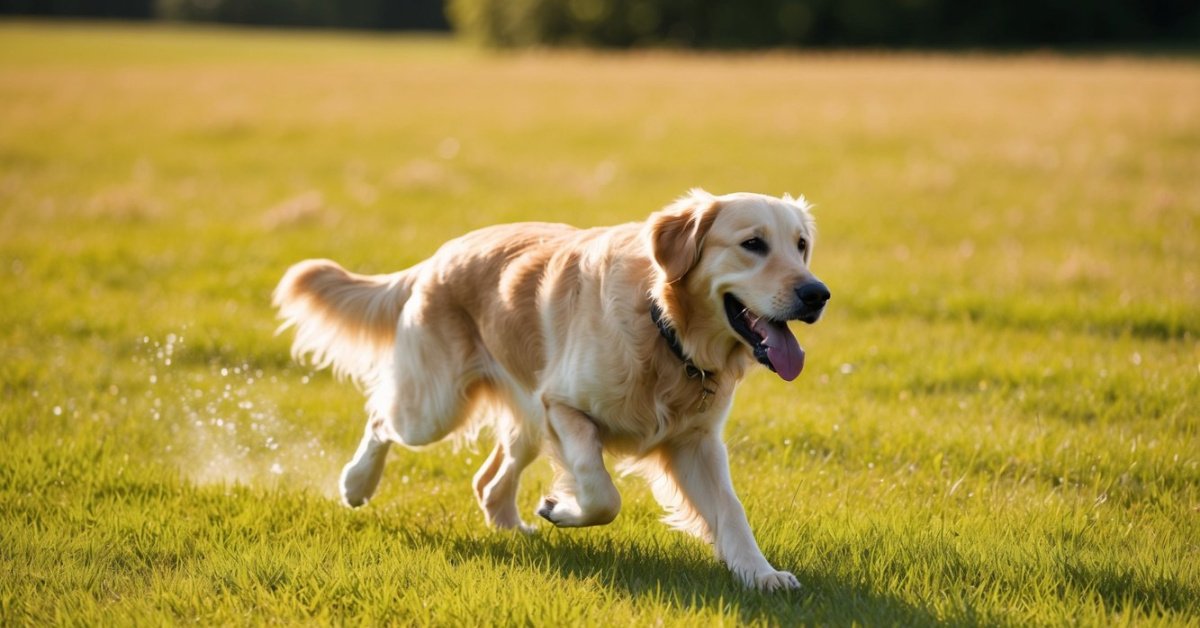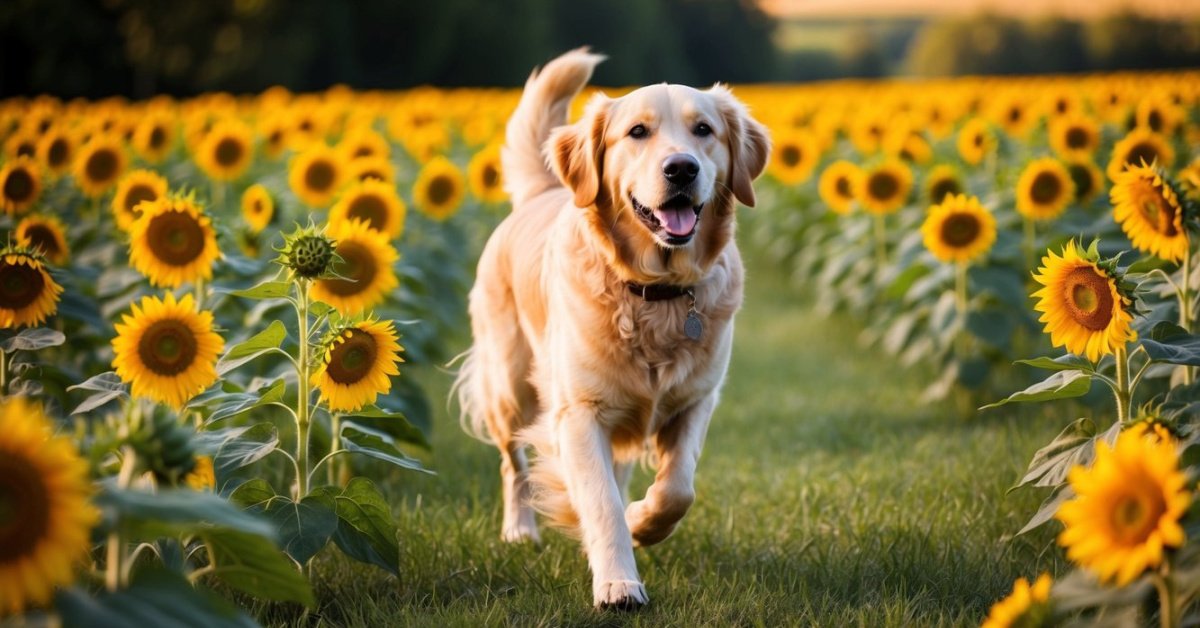
If you’re a proud Golden Retriever owner, you know just how intelligent and eager to please these dogs can be. Participating in obedience trials not only strengthens your bond but also showcases your pup’s skills and discipline. It’s a fun way to engage with your furry friend while honing their training and socialization.
Understanding Golden Retriever Obedience Trials
Obedience trials provide an excellent platform for Golden Retrievers to showcase their skills. These events highlight the bond between me and my dog while promoting effective training.
What Are Obedience Trials?
Obedience trials are competitions where dogs demonstrate their training in various tasks. These tasks often include heeling, sitting, staying, and retrieving. Judges evaluate each dog based on their performance and adherence to commands. Trials serve as an opportunity for handlers, like me, to put my dog’s training to the test in a structured environment.
Importance of Obedience Trials for Golden Retrievers
Obedience trials elevate the training experience for Golden Retrievers. Engaging in these trials strengthens my dog’s discipline and responsiveness. The competitive atmosphere encourages consistency in commands and helps improve focus during distractions. Participating in these trials enhances my dog’s social skills, as they interact with other dogs and handlers. Additionally, it reinforces the bond I share with my Golden Retriever through teamwork and communication.
Training Techniques for Obedience Trials
Training techniques for obedience trials focus on clear communication and positive reinforcement. Utilizing structured methods enhances both the experience and performance of my Golden Retriever.
Basic Commands to Master
Mastering basic commands is crucial for success in obedience trials. I prioritize teaching my dog the following commands:
- Sit: I teach this by using a treat to guide my dog into a sitting position, then rewarding immediately.
- Stay: I start with the dog in a sitting position, take a few steps back, and return to reward when they remain in place.
- Come: I use a leash initially to guide my dog toward me, rewarding them when they respond appropriately.
- Heel: I practice this by walking with my dog close at my side, using treats to encourage them to maintain position.
- Down: I signal my dog to lie down by moving the treat to the ground, rewarding them when they comply.
Repetition and consistency strengthen these commands, helping establish a solid foundation for further training.
Advanced Skills for Competition
Advanced skills elevate my dog’s performance in trials and may include the following:
- Retrieve: I teach this by throwing a toy and encouraging my dog to bring it back directly to me, rewarding them for successful retrieves.
- Directed Retrieve: I use markers to indicate where specific objects are located, guiding my dog to retrieve them correctly.
- Scent Discrimination: I train my dog to distinguish between different scents by rewarding them for identifying and signaling specific items.
- Proofing: I introduce distractions during training sessions, ensuring my dog maintains focus regardless of the surrounding environment.
- Heeling Patterns: I practice various heeling patterns, directing my dog through a series of movements while maintaining precise position and attention.
Focusing on these advanced skills provides my dog with the expertise needed to excel in competition settings.


Preparing for an Obedience Trial
Preparing for an obedience trial requires careful planning and organization to ensure success. I’m focusing on creating a solid training schedule and gathering essential equipment.
Training Schedule and Routine
Establishing a regular training schedule enhances my Golden Retriever’s skills and confidence. I follow a structured routine that includes:
- Daily practice sessions: I dedicate at least 15-30 minutes each day for focused training, integrating basic and advanced commands.
- Varied environments: I train in different settings, such as parks and homes, to help my dog adjust to distractions.
- Short sessions: I keep training sessions brief, as shorter intervals maintain my dog’s interest and focus.
- Socialization opportunities: I arrange playdates with other dogs to reinforce social skills and adaptability in various situations.
Consistency with this routine builds my dog’s understanding and solidifies our communication.
Essential Equipment and Supplies
Having the right equipment and supplies makes the training process smoother and more effective. I ensure I have the following items ready:
- Training collar: I use a flat or martingale collar for effective communication without being harsh.
- Leash: A standard six-foot leash allows me to maintain control during practice sessions.
- Treats: I prepare small, high-value treats to reward my dog for positive behaviors during training.
- Clicker: I use a clicker for marking desired behaviors, enhancing my dog’s learning experience.
- Training aids: I incorporate items such as cones and agility equipment to challenge my dog and improve performance.
With the right schedule and equipment, I’m setting my Golden Retriever up for success in obedience trials.

Common Challenges and Solutions
« Top Golden Retriever Club Activities for Owners: Strengthen Your Bond
Top Golden Retriever Parasite Prevention Tips for a Healthy and Happy Dog »
Golden Retrievers are generally eager to please, but various challenges can arise during obedience training. Understanding these challenges and implementing effective solutions ensures a smoother training experience.
Behavioral Issues in Golden Retrievers
Behavioral issues can stem from several factors. Common problems include:
- Distraction: Golden Retrievers are curious and easily distracted. Training in varied environments helps them learn to focus. Gradually increasing distractions during training sessions teaches them to maintain attention.
- Jumping: Excitement can lead to jumping on people. Consistent reinforcement of ‘sit’ before greeting helps reduce this behavior. Using treats as incentives makes learning more engaging for them.
- Barking: Excessive barking often indicates boredom or frustration. Ensuring adequate exercise through physical activities can alleviate boredom. Incorporating interactive toys during downtime keeps them mentally stimulated.
- Nervousness: Some Golden Retrievers may exhibit anxiety in new situations. Gradual exposure to unfamiliar environments and positive experiences, like treat rewards, can help build confidence over time.
Overcoming Training Obstacles
Specific training obstacles might arise during preparation for obedience trials. Here are solutions to common challenges:
- Inconsistent Commands: Consistent word choice and commands establish clearer communication. Using the same words and tone aids in the dog’s understanding of expectations.
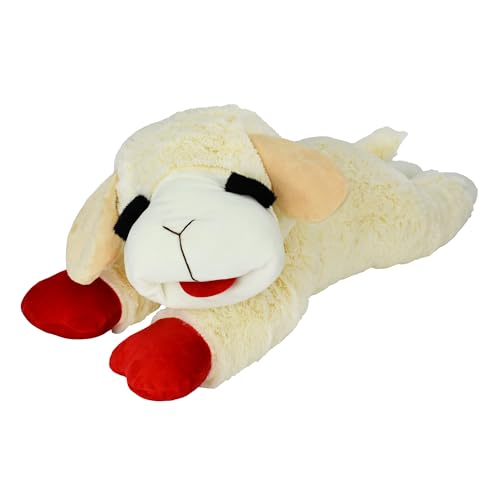
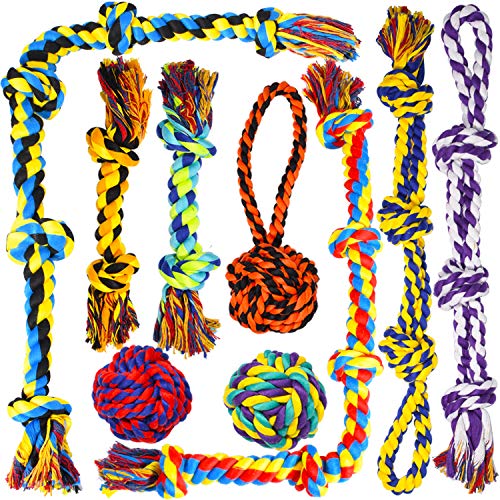
- Lack of Motivation: A Golden Retriever’s motivation can wane without engaging rewards. Using high-value treats or playtime with favorite toys during training sessions can revive their enthusiasm.
- Impatience: Patience is crucial. Short and frequent training sessions of 15-30 minutes help maintain focus and reduce frustration. Break down complex commands into smaller steps.
- Training Fatigue: Resistance to training can indicate fatigue. Regular breaks during sessions allow dogs to recharge. Finishing on a positive note with a successful exercise keeps their interest high.
Implementing these solutions addresses common challenges and enhances the obedience training experience for Golden Retrievers.
Conclusion
Participating in obedience trials with my Golden Retriever has been such a rewarding journey. It’s amazing to see how much our bond has grown through training and competition. Each session not only sharpens my dog’s skills but also brings us closer together.




I’ve learned that patience and consistency are key to success. Every challenge we face becomes an opportunity for growth. With the right preparation and a positive mindset, I know we can tackle any trial that comes our way.
So if you’re considering obedience trials for your furry friend, I encourage you to dive in. It’s a fun and fulfilling experience that both you and your Golden Retriever will cherish.