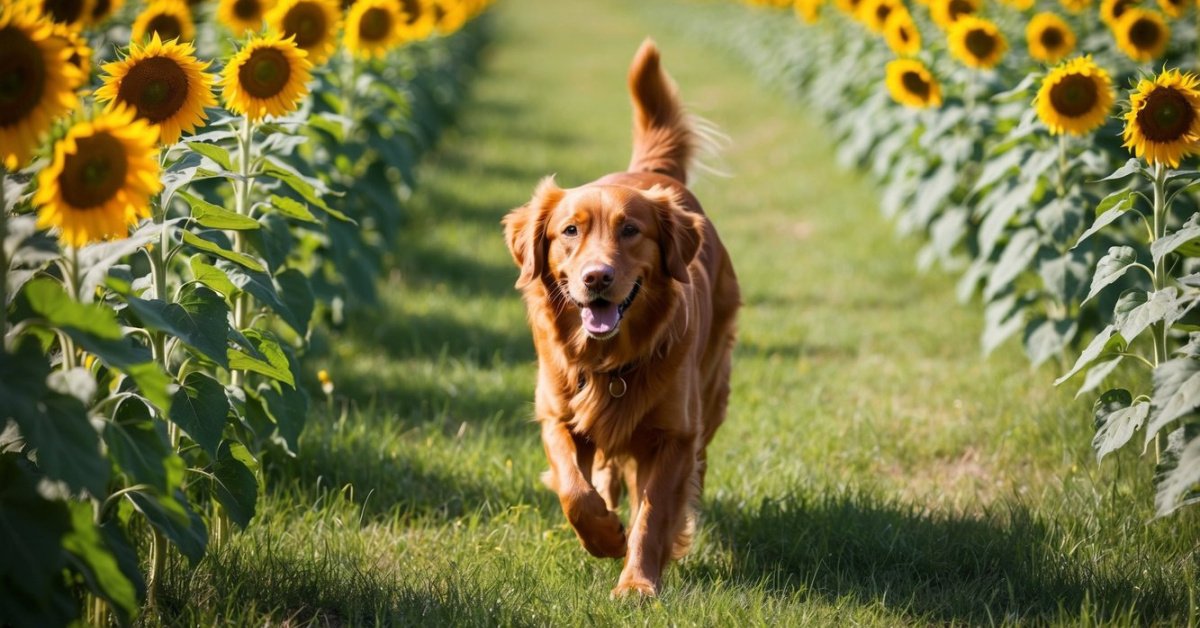
As our beloved golden retrievers age, their exercise needs change, but that doesn’t mean they should slow down completely. Keeping them active is crucial for maintaining their health, happiness, and overall quality of life. I’ve found that understanding their unique needs can make a world of difference in keeping them sprightly and engaged.
Understanding the Needs of Senior Golden Retrievers
Understanding the needs of senior golden retrievers is crucial for their overall well-being. Regular exercise contributes significantly to their health, happiness, and quality of life.
Importance of Regular Exercise
Regular exercise promotes physical health in senior golden retrievers. It prevents obesity, stimulates blood circulation, and supports muscle integrity. Consistent activity also enhances mental stimulation, reducing boredom and anxiety. Engaging in daily walks or gentle playtime keeps them alert and engaged with their surroundings. I find that even short, structured activities yield noticeable improvements in my dog’s mood and vitality.
Changes in Activity Levels with Age
Activity levels can decrease as golden retrievers age. Seniors may show reluctance in moving, and this behavior can result from joint pain or decreased stamina. It’s vital to adapt exercise routines to their abilities, focusing on shorter, more frequent sessions instead of extended activities. Watching for signs of fatigue or discomfort ensures I’m providing safe, effective exercise. Finding gentle alternatives, like swimming or walking on soft surfaces, can accommodate their changing needs while keeping them active.
Recommended Types of Exercises
I find that combining physical and mental activities keeps senior golden retrievers happy and healthy. Here are some effective options to consider.
Low-Impact Activities
- Gentle walks: Short, easy walks allow dogs to explore their environment without overexerting themselves. Start with 10-15 minutes and adjust the duration based on your dog’s energy levels.
- Swimming: Most golden retrievers love water. Swimming provides a full-body workout while being easy on the joints. Supervise during swims to ensure safety.
- Play sessions: Engage in light games like fetch using soft toys. Keep the distance short, allowing for rest breaks as needed.
- Indoor activities: Use hallways or clear spaces in your home for short games of chase or slow-paced hide-and-seek. These activities keep them active without too much strain.
- Balance exercises: Encourage your senior dog to stand on unstable surfaces, like an air-filled cushion, for balance improvement. This strengthens core muscles while also enhancing stability.
Mental Stimulation Exercises
- Puzzle toys: Interactive toys that dispense treats make for great mental challenges. They require dogs to think and problem-solve, which can keep them occupied for hours.
- Training sessions: Keep skills sharp through short training sessions. Reinforce simple commands, introducing one new trick at a time to maintain interest without overwhelming.
- Scent games: Hide treats around the house or yard and let your dog find them using their nose. This taps into their natural instincts while providing both mental and physical engagement.
- Socialization: Arrange meet-ups with other friendly dogs. Exploring new environments and interacting socially stimulates their minds while promoting healthy activity.
- Interactive feeding: Use slow feed bowls or treat-dispensing toys to make mealtime a mentally stimulating event. This approach slows down eating while encouraging problem-solving.
Creating a Safe Exercise Environment
Creating a safe environment for exercise is vital for senior golden retrievers. The right location and equipment can significantly enhance their activity experience while minimizing risks.
Choosing the Right Location
Choosing an appropriate location for exercise ensures safety and comfort. Opt for flat, even surfaces to reduce the risk of slips and falls. I prefer areas with soft grass or dirt trails, which provide better cushioning for their joints. Avoid busy streets or locations with heavy foot traffic, as these can be distracting and stressful. If indoors, clear the space of obstacles to prevent accidents. Familiar environments also boost their confidence, encouraging them to engage more actively.
Ensuring Proper Equipment
Ensuring proper equipment enhances safety and enjoyment during exercise. Use a secure, well-fitted harness instead of a collar, as it distributes pressure more evenly and reduces strain on their necks. Consider a lightweight, padded leash for comfort and control. For those with joint issues, dog boots can protect paws from hot pavement or rough terrain. I also keep water available during and after activities to ensure they stay hydrated. Having age-appropriate toys can make playtime safer and more enjoyable, stimulating their minds while providing physical exercise.
Establishing a Routine
Establishing a routine for exercise helps senior golden retrievers enjoy their activity safely and consistently. A well-structured schedule keeps them engaged and promotes their physical and mental well-being.


Determining the Right Frequency
I recommend planning exercise sessions based on each dog’s individual needs. Aim for 20 to 30 minutes of low-impact activities, ideally 5 to 7 days a week. Shorter sessions are beneficial, so consider splitting longer walks into two or three shorter ones. Monitor how your dog responds to these sessions—frequent breaks during walks or play can help prevent exhaustion and injury. If a dog seems tired or reluctant to engage, adjust the frequency accordingly.
Adjusting Intensity Levels
I focus on tailoring exercise intensity to match my senior golden retriever’s abilities. Low-impact options, like walking at a leisurely pace, swimming, or gentle play, work best. Gradually increase intensity if the dog seems comfortable and maintains energy throughout the routine. I also watch for signs of fatigue, such as panting or lagging behind, and modify activities as necessary. Engaging in mentally stimulating exercises, like puzzle toys or scent games, complements physical activities without overexerting them.
Conclusion
Keeping my senior golden retriever active is one of the best gifts I can give him. It’s all about finding that perfect balance between physical activity and mental engagement. I’ve learned to adapt our routines to suit his needs and abilities while ensuring he stays safe and happy.
By incorporating gentle exercises and fun mental challenges into our daily lives, I can see the joy it brings him. Every little walk or game we share not only helps maintain his health but also strengthens our bond. So let’s keep those tails wagging and make every moment count. After all, a happy dog means a happy home!