Key Takeaways
- Golden Retriever Traits: Golden Retrievers possess a natural retrieving instinct and a friendly demeanor, making them exceptional hunting companions, especially in wetland environments.
- Wetland Challenges: Training in wetlands helps enhance a dog’s abilities to navigate muddy terrain, shallow waters, and thick vegetation, thus improving adaptability and confidence in unpredictable scenarios.
- Effective Techniques: Employing positive reinforcement, consistency in commands, and distraction training are key techniques that support learning and focus during training sessions.
- Early Exposure: Introducing your dog to wetland environments early in their training helps build confidence and acclimatizes them to various sensory stimuli they’ll encounter during hunting.
- Physical and Mental Stimulation: Incorporating exercises that promote physical conditioning, along with mental challenges such as scent games, fosters a well-rounded training experience.
- Patience and Progression: Patience is essential in training; celebrate small milestones and gradually increase the complexity of tasks to ensure steady progress in your dog’s hunting skills.
Training a Golden Retriever for hunting in wetlands can be an incredibly rewarding experience. These dogs are not only known for their friendly demeanor but also for their natural instincts when it comes to retrieving game. Wetlands present unique challenges and opportunities, making them the perfect setting for honing your pup’s skills.
I’ve found that the right training techniques can transform your Golden into a reliable hunting companion. From navigating tricky terrain to mastering water retrieves, each aspect of training can strengthen the bond between you and your furry friend. Whether you’re a seasoned hunter or just starting out, understanding how to effectively train in these environments will set you up for success. Let’s dive into the essentials of Golden Retriever hunting training in wetlands and discover how to make the most of this beautiful setting.
Overview of Golden Retriever Hunting Training
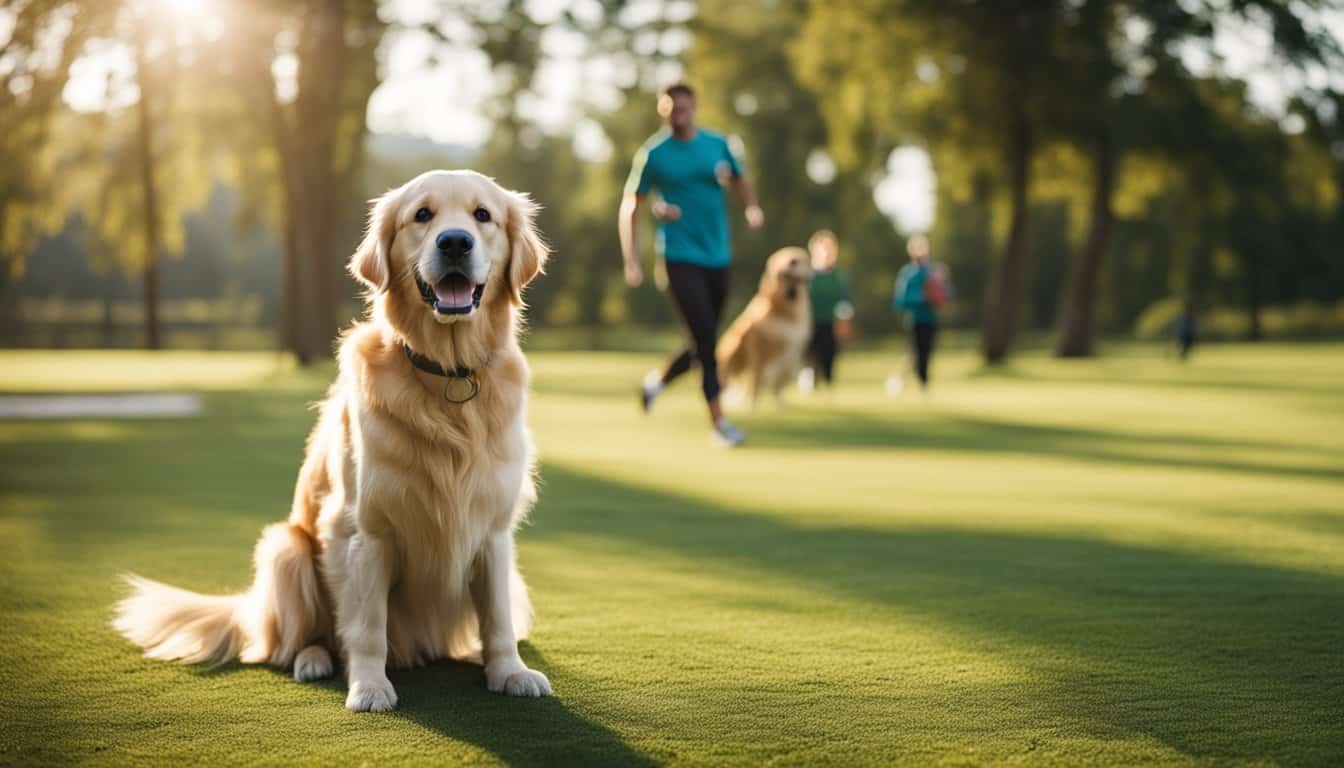
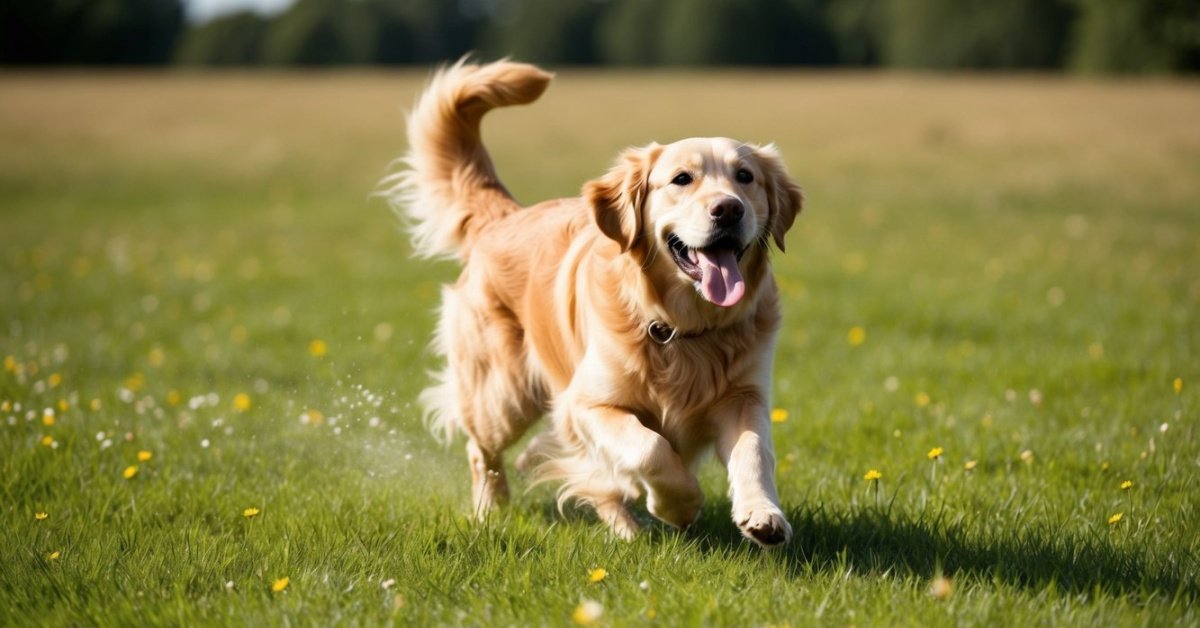
Training a Golden Retriever for hunting in wetlands offers numerous opportunities to enhance their natural instincts. Golden Retrievers possess an inherent drive to retrieve and a friendly disposition, making them ideal hunting companions. Engaging them in training strengthens our bond and helps sharpen their skills.
Wetland environments present unique challenges. Navigating muddy terrain, dense vegetation, and water can test a dog’s abilities. Early exposure to these environments during training acclimatizes them to the sensory stimuli they’ll encounter. This helps build their confidence and responsiveness.
Effective training techniques focus on reinforcing positive behaviors. Consistency plays a crucial role in helping dogs understand commands. Using rewards, such as treats and praise, encourages their willingness to learn. Regular practice sessions, especially in variable conditions, lead to improved performance in the field.
Incorporating fun activities, like fetch in water, keeps the training enjoyable. Swimming not only helps with physical conditioning but also develops essential retrieving skills in real-world scenarios. It’s important to assess their progress and adapt training strategies as needed.
By prioritizing patience and persistence, I foster a supportive environment for my Golden Retriever, ultimately enhancing their hunting capabilities. Training transforms our mutual experiences into a rewarding journey that deepens our connection.
Importance of Wetland Environments
Wetland environments play a crucial role in both hunting training and the overall health and well-being of dogs. These distinctive ecosystems offer unique challenges and opportunities for Golden Retrievers, making them ideal settings for developing hunting skills.
Characteristics of Wetlands
Wetlands are characterized by their saturated soil, diverse vegetation, and abundant water sources. These areas feature different types of plant life, such as grasses, reeds, and shrubs, providing shelter and food for various wildlife. This rich biodiversity presents hunting dogs with a stimulating environment where they can learn to navigate through complex terrains. Dogs encounter different elements like muddy ground, shallow water, and thick foliage, enhancing their sensory experiences and adaptability.


Advantages for Hunting Dogs
Training in wetland environments offers several advantages for hunting dogs, particularly Golden Retrievers. These benefits include:
- Natural Instincts: Wetlands stimulate a Golden Retriever’s natural retrieving instincts. The presence of water encourages them to engage in water fetch activities.
- Enhanced Skills: Dogs develop essential skills, such as swimming, tracking, and problem-solving, as they encounter and overcome various challenges in these environments.
- Socialization: Wetlands attract various wildlife species. Interacting with different scents and sounds helps dogs improve their focus and concentration during training.
- Physical Conditioning: The varied terrain in wetlands promotes physical conditioning through exercises like running, jumping, and swimming, which strengthens a dog’s muscle tone and endurance.
- Confidence Building: Early exposure to wetland settings builds confidence and responsiveness, helping dogs become more adaptable in unpredictable hunting situations.
Engaging a Golden Retriever in training activities within wetland environments creates a multi-faceted learning experience while allowing them to thrive as skilled hunting companions.
Training Techniques for Wetlands
Training a Golden Retriever in wetlands presents unique opportunities to develop essential hunting skills and foster a strong bond. Employing effective techniques enhances their natural instincts, creating a rewarding experience for both the dog and the owner.
Introduction to Basic Commands
Establishing a solid foundation with basic commands is crucial for effective training. I focus on commands such as “sit,” “stay,” “come,” and “fetch.” Teaching these commands in wetland environments involves:
- Reinforcement: I use treats and praise to reinforce positive behaviors.
- Consistency: I ensure consistent command usage to help my retriever understand expectations.
- Distraction Training: I introduce distractions, like sounds of water or wildlife, to help my dog focus despite the stimulating environment.
Starting with these basics sets the stage for more advanced skills and creates a reliable communication system between us.
Advanced Retrieval Skills
« How to Groom a Golden Retriever for Agility Shows: Secrets for Winning Confidence and Style
Golden Retriever Boxer Mix Overview: The Ultimate Family Companion You Need to Know About »
Once my Golden has mastered basic commands, I shift focus to advanced retrieval skills, crucial in wetland settings. I emphasize:
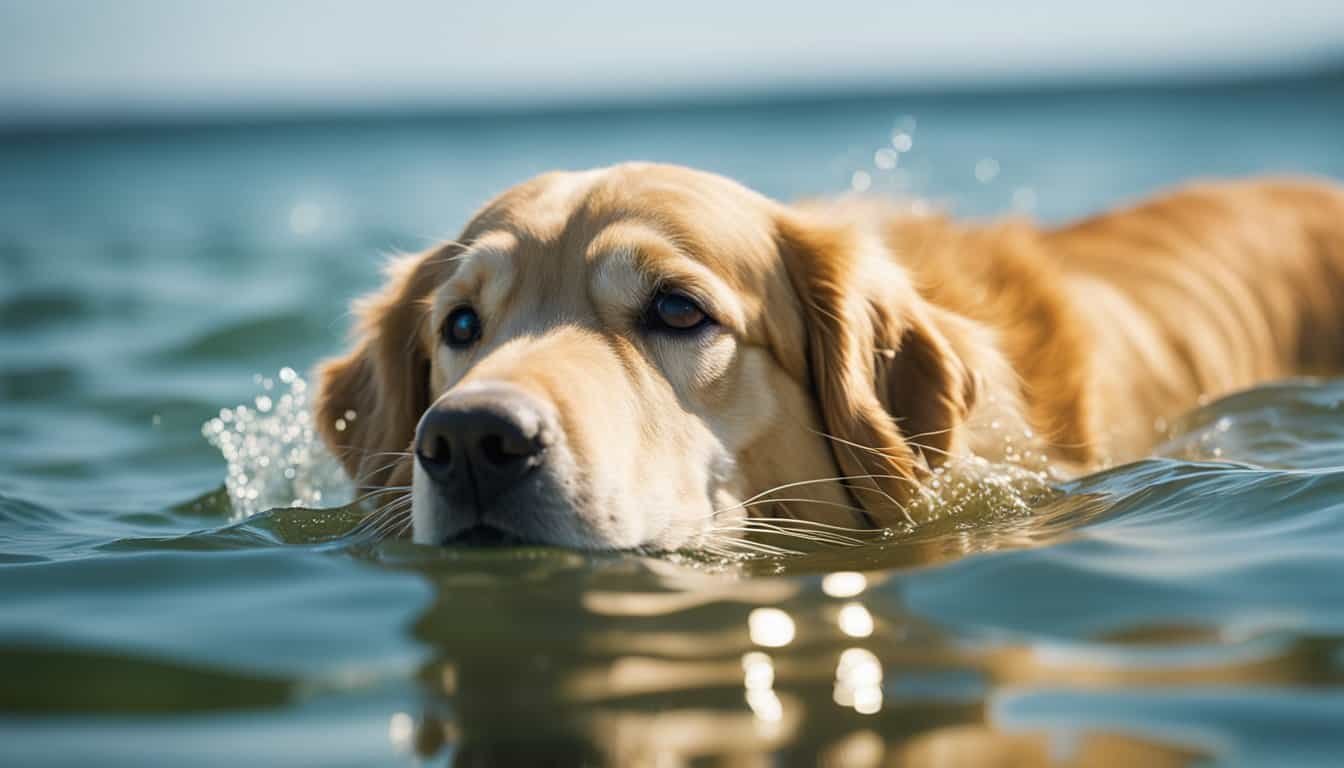
- Water Retrieve Training: I encourage my dog to swim and fetch items thrown into the water. This builds confidence and reinforces their natural swimming abilities.
- Diverse Terrain Navigation: I introduce light obstacles and varied surfaces—mud, reeds, and shallow water—to enhance agility and adaptability during retrieval tasks.
- Delayed Fetch: I practice sending my dog to retrieve items after a brief wait, developing patience and focus in challenging wetland scenarios.
These advanced skills not only improve my dog’s hunting capabilities but deepen our trust and teamwork, making it a joyful experience in those rich wetlands.
Common Challenges in Wetland Training
Wetland training presents unique challenges that I often encounter while helping Golden Retrievers become skilled hunting companions. Understanding and addressing these challenges can enhance both the training process and the bond with my dogs.
Dealing with Water Obstacles
Navigating water obstacles is essential for training in wetlands. Water levels can vary significantly, creating both shallow and deep areas. Initially, I introduce my dogs to shallow water, allowing them to build confidence before progressing to deeper sections. Using toys or treats, I coax them into the water, ensuring they associate it with positive experiences. Training sessions focus on encouraging swimming and retrieving items from the water, reinforcing their natural instincts. I regularly monitor their comfort levels, making adjustments as needed to avoid overwhelming them.
Navigating Wildlife Distractions
Wildlife distractions pose another challenge during training. Wetlands teem with birds, amphibians, and other animals that can easily distract my dogs. To manage this, I establish a strong foundation with basic commands in low-distraction environments before gradually introducing them to wildlife-rich settings. I use training tools like long leashes and treats to maintain control while they learn to focus despite the enticing distractions. Staying patient and consistent helps my dogs understand commands, even when faced with exciting wildlife. Incorporating fun, engaging activities helps keep them motivated and responsive in stimulating environments.




By addressing these common challenges thoughtfully, I enhance my dogs’ training experiences, helping them thrive in wetland settings and deepening our bond.
Best Practices for Successful Training
Successful Golden Retriever hunting training in wetlands hinges on several best practices that enhance both skill and confidence.
- Early Exposure
Early exposure to wetland environments builds confidence. Take your dog to a variety of wetland settings to familiarize them with water, mud, and diverse vegetation.
- Positive Reinforcement
Positive reinforcement strengthens learning. Use treats, praise, and play to reward desired behaviors during training sessions, making learning enjoyable for your dog.
- Consistency in Commands
Consistency in command usage leads to faster comprehension. Use the same command words and gestures, ensuring everyone involved in training adheres to these standards.
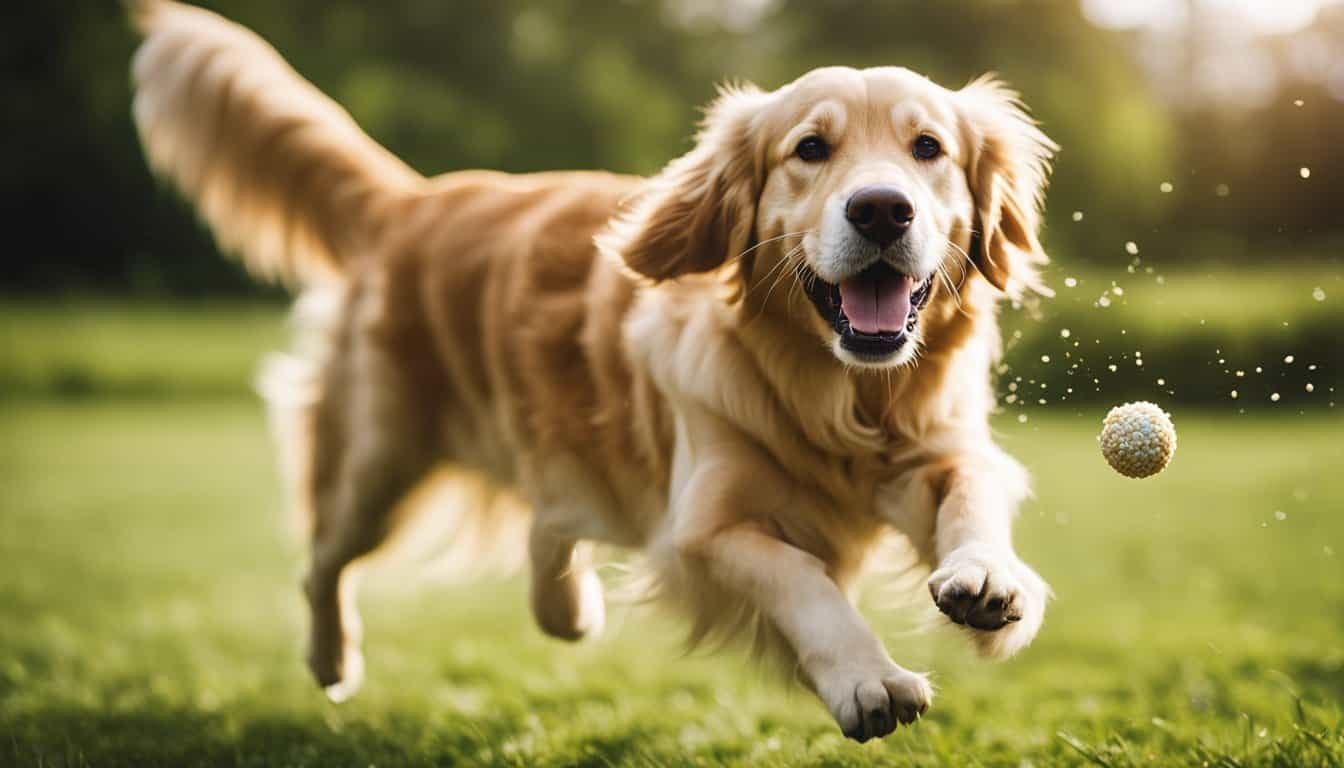
- Gradual Challenge Increase
Gradually increase training difficulty to foster growth. Start with simple retrievals and move on to more complex tasks as your dog becomes more proficient in water retrieves, terrain navigation, and delayed fetch exercises.
- Distraction Training
Distraction training prepares your dog for real hunting scenarios. Introduce wildlife distractions slowly after your dog masters basic commands, helping them stay focused and responsive.
- Daily Routine Integration
Integrate training into your dog’s daily routine. Incorporate training drills during walks or playtime to make the process feel natural.
- Patience and Persistence
Patience and persistence are crucial during the training journey. Allow your dog to progress at their own pace and celebrate milestones, small or large.
- Physical Conditioning
Focus on physical conditioning through exercises that mimic hunting activities. Activities like swimming and trailing on various terrains enhance strength and stamina.
- Mental Stimulation
Provide mental stimulation by incorporating problem-solving tasks and scent games. Challenge your dog’s mind to keep them engaged and alert.
- Join Training Groups
Join local training groups or clubs for camaraderie and shared learning experiences. Learning from other experienced trainers can offer new techniques and insights.
Adhering to these best practices can transform your dog’s training experience, creating a rich, fulfilling journey that strengthens your bond while preparing them for successful hunting outings in wetland environments.
Conclusion
Training my Golden Retriever in wetlands has been an incredible journey. I’ve seen firsthand how these environments not only challenge my dog but also enhance their natural instincts. The bond we’ve built through patience and positive reinforcement is something I cherish.
Every muddy step and splash in the water has brought us closer together. It’s amazing to watch my dog thrive while developing essential skills for hunting. I encourage anyone considering this path to embrace the unique opportunities wetlands provide. With the right approach and a little persistence, you and your Golden Retriever can create unforgettable memories together.