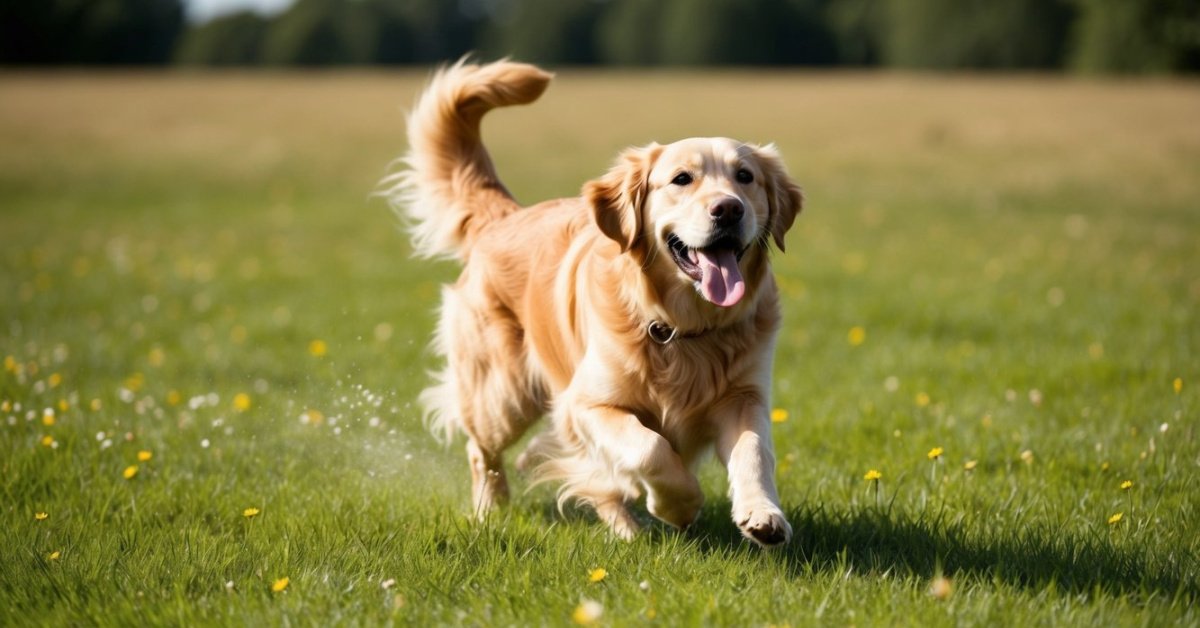
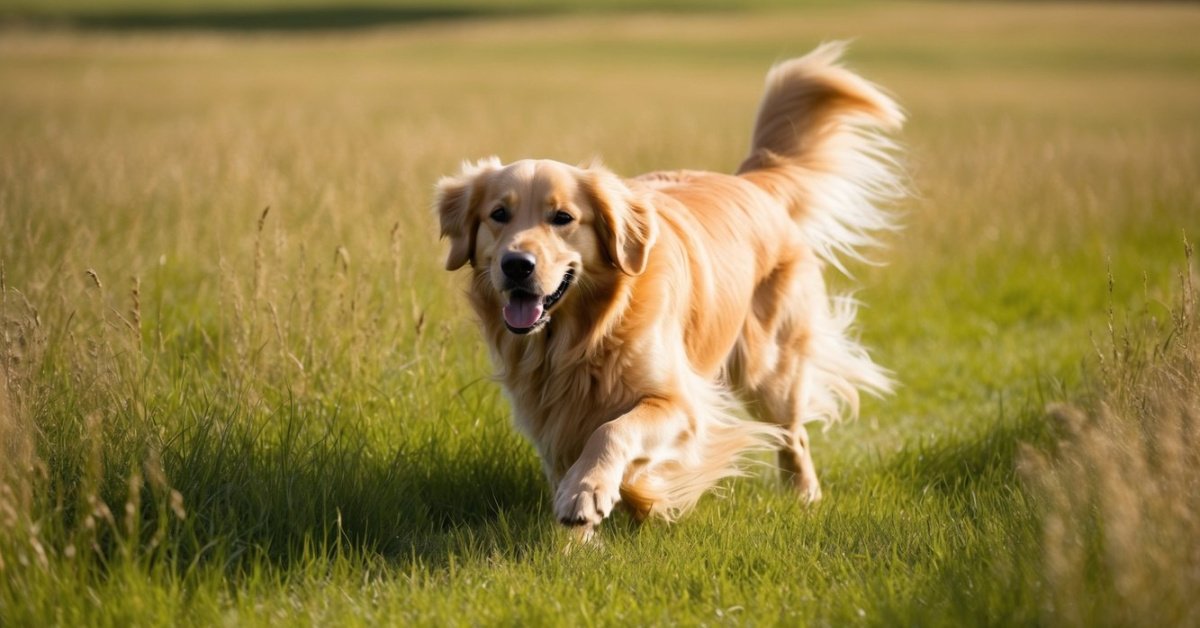
When it comes to service dogs, Golden Retrievers are among the most popular choices. Their friendly nature and eagerness to please make them fantastic companions for those in need. But how long does it really take to train one of these lovable pups for service work?
Overview of Golden Retriever Service Dogs
Golden Retrievers excel as service dogs due to their sociable nature and eagerness to please. Their trainability makes them suitable for various service roles, including mobility assistance, emotional support, and medical alert tasks.
These dogs possess an innate ability to bond with humans, making them reliable companions for individuals with disabilities. Their gentle demeanor often helps create a sense of security, fostering trust between the service dog and the handler.
Training Golden Retrievers for service work generally involves several stages. Early socialization and obedience training lay the foundation for specialized skills. Through consistent training techniques, owners can teach these dogs to respond to specific commands and tasks that enhance their handler’s quality of life.
The positive traits of Golden Retrievers, paired with structured training, significantly contribute to their effectiveness as service dogs. Each step in their training journey builds upon the last, ensuring they develop the necessary skills to assist their handlers effectively.
Importance of Service Dog Training
Service dog training plays a crucial role in enhancing the bond between the handler and the dog. Effective training transforms a Golden Retriever into a reliable assistance partner capable of meeting various needs.
Benefits of Golden Retrievers as Service Dogs
- Friendly Nature: Golden Retrievers possess an approachable demeanor, which creates a positive atmosphere for their handlers.
- Willingness to Please: Their eagerness to satisfy human commands makes training more effective and rewarding.
- Intelligent and Quick Learners: Golden Retrievers excel in grasping new commands, facilitating a smoother training process.
- Adaptability: These dogs easily adjust to different environments, ensuring consistent performance in various settings.
- Emotional Support: Their loving disposition provides emotional comfort, reducing anxiety and stress for their handlers.
Key Traits for Training Success
- Sociability: Golden Retrievers’ friendly behaviors enhance their ability to connect with others during training and service tasks.
- Trainability: Their intelligence allows for quicker learning of commands and tasks crucial for service work.
- Patience: Their calm temperament contributes to successful training, enabling them to handle challenging situations with composure.
- Bonding Ability: Golden Retrievers develop strong attachments to their handlers, fostering trust essential for effective service.
- Physical Health: Their overall fitness supports task performance, ensuring they can assist their handlers in a variety of activities.
Training Timeline Phases
The training timeline for Golden Retriever service dogs consists of several distinct phases. Each phase builds essential skills that contribute to effective service work.
Puppy Socialization Stage
Puppy socialization happens from 8 to 16 weeks. During this time, I expose my puppy to various environments, people, and other animals. Positive experiences foster confidence and reduce fear. I prioritize early interactions with different sounds, surfaces, and situations. Visiting parks, pet stores, and public places promotes adaptability and helps my puppy learn to behave in diverse settings.
Basic Obedience Training
Basic obedience training typically starts around 4 to 6 months. In this phase, I teach essential commands like “sit,” “stay,” “come,” and “heel.” Consistency is crucial; I use positive reinforcement techniques, such as treats and praise, to motivate my dog. Practicing these commands in different locations reinforces learning. Regular training sessions, lasting 5 to 10 minutes, keep my dog engaged and responsive. This phase lays the groundwork for future advanced training.




Advanced Skills Training
Advanced skills training begins around 1 year of age. At this stage, I focus on specific tasks tailored to the handler’s needs, such as retrieving items, providing mobility support, or alerting to medical issues. I introduce these tasks gradually, using clear commands and consistent cues. I practice in real-life scenarios to ensure my dog can successfully perform under various conditions. Ongoing training sessions, combined with socialization, solidify these advanced skills, making my Golden Retriever a reliable service companion.
Factors Affecting the Training Timeline
Several factors influence how long it takes to train a Golden Retriever as a service dog. Understanding these factors helps in tailoring the training approach for each individual dog.
Age and Temperament
Age plays a critical role in training effectiveness. Puppies, typically between 8 and 16 weeks, are highly receptive to learning and socialization. Their temperament also affects the timeline; a calm, eager-to-please puppy may grasp commands faster than a more anxious or energetic one. Moreover, a Golden Retriever’s personality traits, such as friendliness and curiosity, enhance the learning process. Puppies with a balanced temperament exhibit better focus and adaptability, shortening the training duration.
Training Environment
The training environment significantly impacts a dog’s learning curve. Ideally, training occurs in varied settings, allowing Golden Retrievers to adapt to different stimuli. Consistent, distraction-free areas facilitate foundational obedience, while more dynamic environments help solidify advanced skills. Additionally, utilizing positive reinforcement techniques in real-life scenarios, like public spaces or home settings, encourages quicker acclimation to service tasks. Creating consistent and diverse environments fosters confidence, further contributing to effective training that meets the service dog’s role requirements.
Conclusion
Training a Golden Retriever as a service dog is a rewarding journey that strengthens the bond between us and our furry companions. I’ve seen firsthand how their eagerness to please transforms them into reliable partners. Each phase of the training timeline is essential in shaping their skills and confidence.

« How to Pick a Healthy Golden Retriever Puppy: Tips for New Owners
Top Golden Retriever Show Grooming Products for a Stunning Coat and Healthy Skin »
As we navigate this process together it’s important to remain patient and consistent. The joy of watching them grow into their roles is truly fulfilling. With dedication and love our Golden Retrievers can become exceptional service dogs that enhance our lives in countless ways.