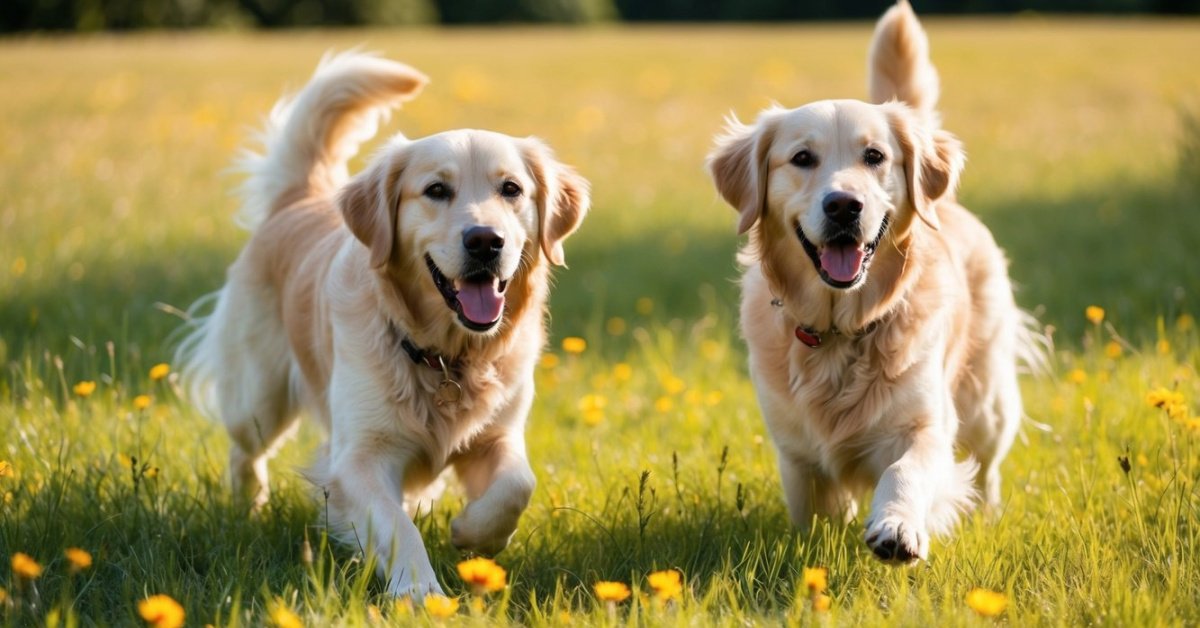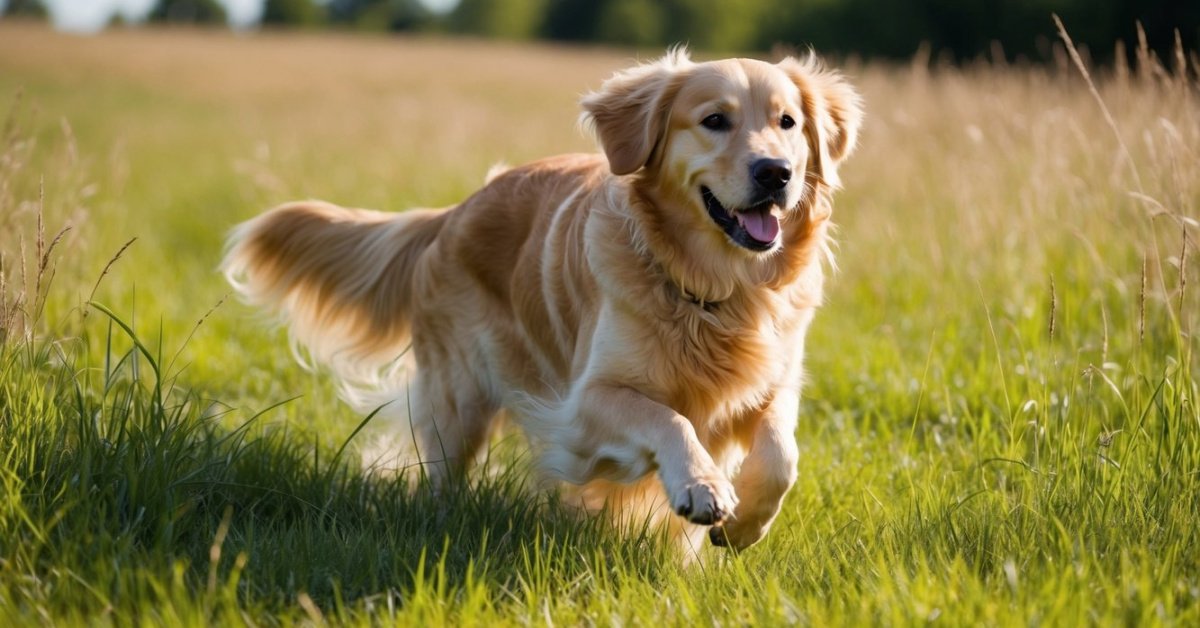
Golden Retrievers are more than just friendly companions; they’re also stars in the show ring. If you’ve ever marveled at their grace and charm during competitions, you might be curious about what makes a winning Golden. The American Kennel Club (AKC) has specific guidelines that outline the ideal traits and characteristics for this beloved breed, ensuring every dog has a fair shot at showcasing their best self.
Overview of AKC Guidelines
The AKC guidelines for Golden Retrievers outline specific traits that reflect the breed’s standard. These standards detail physical characteristics, temperament, and behavior that judges look for during competitions.
Physical Characteristics
- Size: Males should stand between 23 to 24 inches tall, while females should be 21.5 to 22.5 inches tall.
- Weight: Ideal weight ranges from 65 to 75 pounds for males and 55 to 65 pounds for females.
- Coat: The outer coat should be dense, water-repellent, and wavy or straight, with a thick undercoat.
Temperament
- Friendly: Golden Retrievers must exhibit a cheerful demeanor and a willingness to interact with people.
- Intelligent: The breed’s ability to learn quickly and adapt is essential for success in the show ring.
- Confident: A self-assured attitude without shyness is crucial when presenting at competitions.
Movement
- Gait: Judges evaluate smooth and powerful movement, with an efficient stride that reflects the dog’s balanced build.
- Posture: A level topline and straight front are necessary for optimal presentation.
Following these AKC guidelines assures that Golden Retrievers not only meet breed standards but also shine as exemplary representatives of their breed in the show ring.
Breed Standards for Golden Retrievers
Golden Retrievers possess distinct characteristics that reflect their breed standards set by the AKC. These standards ensure that every dog embodies the ideal traits, both in appearance and demeanor.
Size and Proportion
Size and proportion play crucial roles in defining Golden Retrievers. Males typically stand between 23 to 24 inches tall at the shoulder, while females range from 21.5 to 22.5 inches. Males usually weigh between 65 to 75 pounds, and females weigh 55 to 65 pounds. The body should be balanced and muscular, with a well-proportioned head that complements the overall physique. A straight back and a strong neck complete the ideal conformation.
Coat and Color
Coat and color standards enhance the Golden Retriever’s attractiveness. The breed features a dense water-repellent outer coat coupled with a soft undercoat. Colors range from light golden to dark golden, with a uniform shade preferred. The coat should be maintained in good condition, free of tangles and mats, to display its natural luster. Feathering on the legs, chest, and tail adds to the breed’s elegance.
Temperament and Behavior
Temperament and behavior are essential in the Golden Retriever’s overall appeal. These dogs should exhibit a friendly, intelligent, and confident disposition. An eager-to-please attitude makes them highly trainable, while their sociable nature fosters positive interactions with people and other animals. In the show ring, judges assess how well the dog displays its temperament through its behavior and responses to commands, highlighting the harmonious bond between the handler and the dog.
Judging Process in Dog Shows
The judging process in dog shows involves a meticulous evaluation of each participant to ensure they meet the AKC standards for Golden Retrievers. Judges assess physical traits, temperament, and performance, aiming to determine which dog best represents the breed.
Role of the Judge
Judges play a critical role in dog shows, acting as unbiased evaluators for each breed. Judges must possess a deep understanding of breed standards, including specific traits and characteristics. They observe dogs closely, considering size, gait, coat condition, and temperament. Additionally, judges assess the handler’s ability to showcase the dog’s qualities. Fairness and impartiality remain paramount throughout the process, as judges provide feedback and rankings based on predefined criteria.





Common Evaluation Criteria
The evaluation criteria for Golden Retrievers during dog shows include:
- Physical Appearance: Judges examine size, weight, coat type, and overall conformation to AKC standards. Dogs must display a balanced, muscular body with a straight back.
- Temperament: Judges assess how friendly, confident, and intelligent each dog appears. A pleasant demeanor and responsiveness to commands reflect a dog’s suitability for the show ring.
- Movement: Judges evaluate the dog’s gait and posture, looking for smooth, powerful movement that showcases the breed’s athleticism and grace.
- Handler Connection: Judges observe the bond between the handler and dog, noting how effectively handlers present their dogs during evaluation.
These criteria combine to give a comprehensive view of each dog’s adherence to breed standards, guiding judges in their rankings.
Preparing for a Dog Show
Preparing for a dog show involves a blend of training and grooming to showcase the best qualities of my Golden Retriever. Each aspect plays a significant role in achieving a successful performance in the ring.
Training Tips
Training my Golden Retriever focuses on obedience, socialization, and ring presentation.
- Obedience: Ensuring my dog responds promptly to commands, such as sit, stay, and heel, proves critical during evaluations.
- Socialization: Exposing my dog to various environments, people, and other dogs helps reduce anxiety and builds confidence.
- Ring Practice: Practicing in a simulated show environment allows my dog to become familiar with the routines and behaviors expected during the competition.
- Positive Reinforcement: Using treats and praise motivates my dog, reinforcing good behavior and skills.
- Handler Connection: Building a strong bond with my dog through enjoyable activities establishes trust, essential for a successful performance in the show ring.
Grooming Essentials
Grooming my Golden Retriever ensures they look and feel their best for the show.

- Regular Brushing: Brushing at least twice a week removes loose hair and prevents matting, maintaining the coat’s density and water-repellent quality.
- Bathing: Bathing every four to six weeks keeps the coat clean and fresh. It’s crucial to use a gentle, dog-specific shampoo to preserve coat health.
- Nail Trimming: Keeping nails trimmed to a comfortable length prevents discomfort during movement. Aim for a trim every couple of weeks.
- Ear Care: Regularly checking and cleaning my dog’s ears helps prevent infections and buildup, promoting overall health.
- Dental Hygiene: Daily tooth brushing with dog-specific toothpaste maintains dental health, ensuring my dog’s overall well-being.
« Mastering the Art of Teaching a Golden Retriever to Roll Over: Tips & Tricks for Success
Uncovering The Golden Retriever’s Hunting Origins: From Field to Family Pet »
Focusing on training and grooming sets my Golden Retriever up for a successful experience in the show ring.
Importance of Adhering to Standards
Adhering to AKC show standards is vital for showcasing a Golden Retriever’s best traits in competitions. Compliance assures judges that the dog exhibits the desired characteristics of the breed, such as size, coat type, and temperament. For example, a Golden Retriever that meets the height and weight specifications enhances its chances of receiving favorable evaluations.
Maintaining these standards fosters the breed’s integrity and excellence. When breeders prioritize adherence to guidelines, they contribute to the overall quality and reputation of Golden Retrievers. This commitment ensures that future generations maintain the desirable traits that define the breed.
Following the standards also benefits handlers and owners. Dogs that conform to these specifications often perform better in the ring, attracting more attention from judges and spectators. This attention can lead to greater recognition and success in competitions.
Ultimately, adhering to AKC guidelines strengthens the bond between dogs and their handlers. When both parties work towards meeting these standards, it encourages teamwork and effective communication. This relationship is essential during competitions, where clear connections between handlers and dogs can significantly influence outcomes.



Conclusion
Understanding the AKC guidelines for Golden Retrievers has truly enriched my appreciation for this amazing breed. It’s fascinating to see how each trait contributes to their overall charm and performance in the show ring.
I’ve learned that preparation is key not just for the dogs but for us as handlers too. By focusing on training and grooming, we can help our Golden Retrievers shine their brightest.
Ultimately, adhering to these standards not only showcases their best qualities but also strengthens the bond we share. It’s a rewarding journey that highlights the unique relationship between us and our beloved companions.