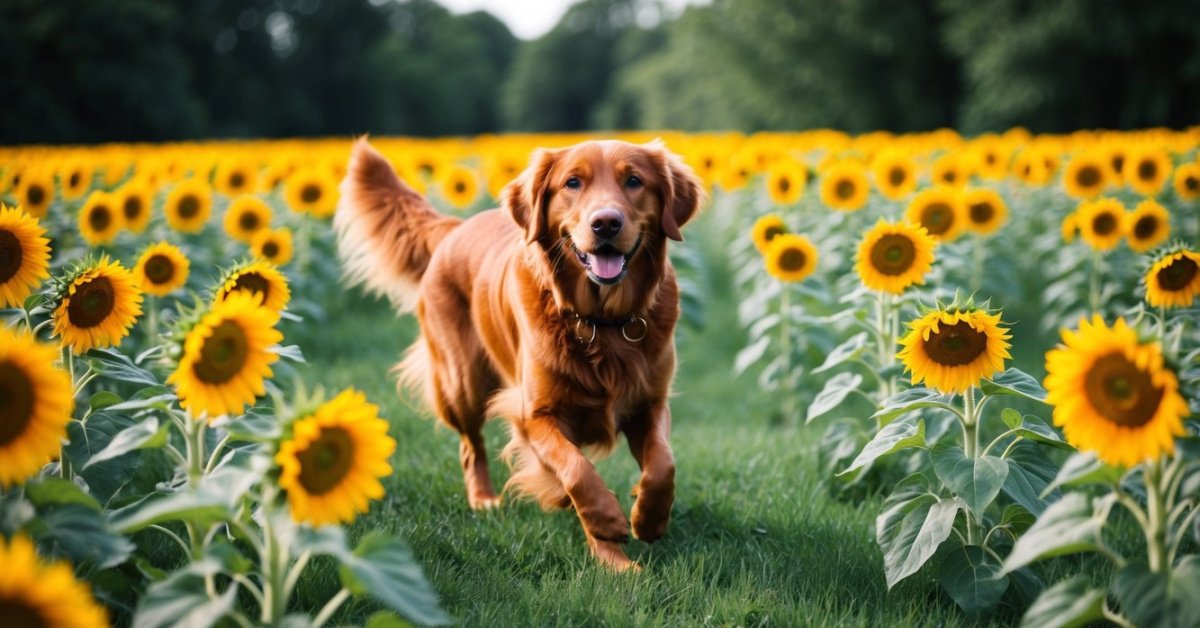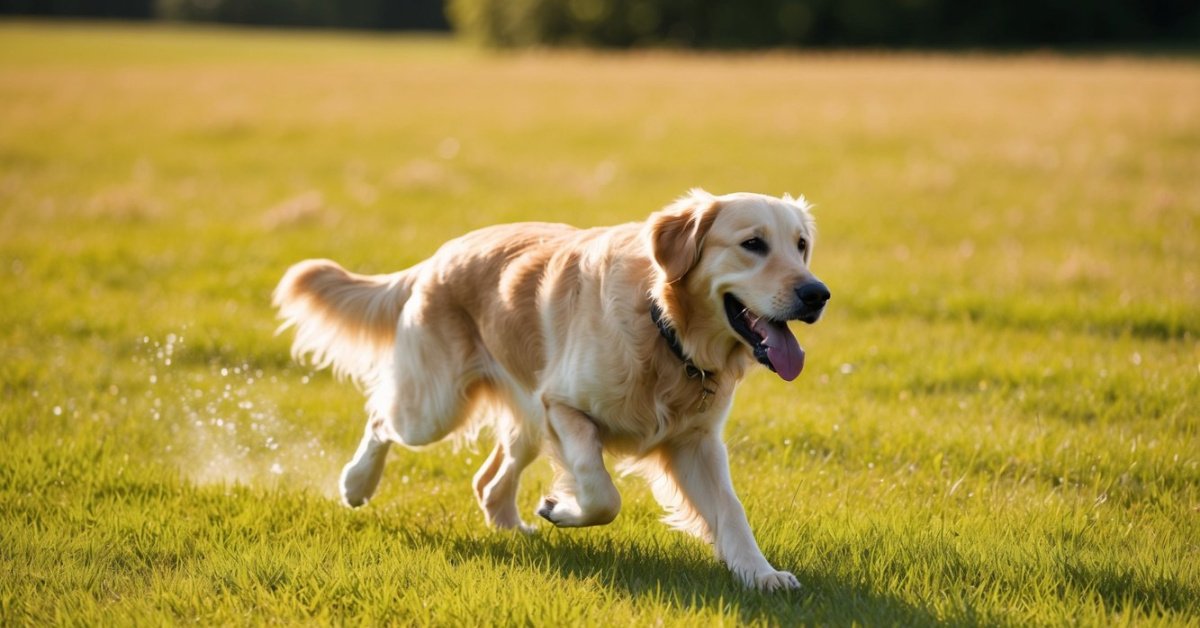
Golden Retrievers are known for their friendly demeanor and playful spirit, but did you know their energy levels change as they age? As a proud owner of one of these lovable pups, I’ve seen firsthand how their activity needs evolve from those energetic puppy days to the more relaxed senior years. Understanding these changes can help us provide the right care and activities to keep our furry friends happy and healthy.
Understanding Golden Retriever Energy Levels by Age
Golden Retrievers experience distinct energy levels throughout their lives. As a puppy, my Golden Retriever exhibits boundless energy. This phase typically lasts from birth to about 1 year old. During this time, he loves to play, explore, and engage in various activities, requiring about 1-2 hours of exercise daily.
As my dog transitions into adolescence, roughly between 1 and 3 years, he remains highly active but starts to display a more focused energy. His stamina peaks during this stage, necessitating regular walks, play sessions, and mental stimulation. About 1-1.5 hours of rigorous activity keeps him happy and healthy.
In the adult stage, from around 3 to 7 years old, energy levels stabilize. My Golden Retriever still enjoys playtime but is more adaptable to varying activity levels. He requires roughly 1 hour of exercise each day, with a mix of intense activities and leisurely walks.
As he ages into the senior phase, beginning around 7 years, I observe a gradual decline in his energy. While still able to enjoy shorter bouts of play, he prefers calmer activities. Gentle walks and interactive play sessions suit him best during this stage, with about 30-60 minutes of exercise recommended to maintain his health and well-being.
Recognizing these changes allows me to tailor activities that enhance my dog’s quality of life at every stage, ensuring he remains active and engaged.
Energy Levels in Puppies
Golden Retriever puppies burst with energy and curiosity, often requiring substantial physical engagement and mental stimulation. Understanding their playful nature helps in catering to their needs during this vibrant stage.
Playfulness and Activity
Puppies thrive on playfulness, engaging in various activities that challenge their growing bodies. Daily exercise of 1-2 hours includes walks, fetch, and interactive play. These activities promote muscle development and social skills. Group sessions with other puppies are beneficial, fostering healthy interactions. Providing a mix of physical and mental activities keeps them stimulated and happy.
Sleep Patterns
Golden Retriever puppies sleep extensively, usually around 18-20 hours a day. Sleep patterns fluctuate based on activity levels, with more active days preceding longer naps. A balanced routine of play followed by rest fosters healthy growth and rejuvenation. Ensuring a cozy sleep environment enhances their overall well-being, aiding in their development.






Energy Levels in Adolescents
In the adolescent phase, Golden Retrievers exhibit high energy levels while their behavior matures, demanding specific care and activities. Understanding these needs helps ensure a healthy and fulfilling lifestyle.
Socialization and Exercise Needs
During adolescence (1 to 3 years), Golden Retrievers thrive on socialization and structured exercise. I allocate about 1 to 1.5 hours daily for rigorous activities like fetch, agility training, or long hikes. Engaging in group playdates or dog parks fosters healthy social interactions, strengthening my Retriever’s confidence. Consistent exposure to various environments and experiences is crucial for their development. I prioritize activities that challenge their physical abilities and keep their minds sharp.
Behavior Changes
Behaviorally, adolescents often display bursts of energy, curiosity, and independence. I observe my Golden Retriever testing boundaries and occasionally becoming stubborn during training. It’s essential to remain patient and consistent with commands and positive reinforcement. Social interactions can also lead to increased playfulness with other dogs. Understanding this phase helps me navigate the challenges of adolescent behavior while keeping my Retriever happy and well-adjusted.
Energy Levels in Adults
In adulthood, Golden Retrievers exhibit stable energy levels characterized by a balanced mix of play and relaxation. Understanding their needs during this stage helps me maintain my dog’s overall well-being.
Daily Exercise Requirements
Adults require about 1 hour of daily exercise, which I break into various activities. Engaging in a combination of aerobic exercises, like brisk walks and jogging, keeps my dog physically fit. I also incorporate strength-building activities, such as fetch or swimming, to keep things exciting. Varying the routes I take during walks adds mental engagement, preventing boredom. For some days, I opt for structured play sessions, including agility courses, to stimulate both body and mind.

Mental Stimulation
« Discover Who Created the Golden Retriever Breed and Its Remarkable History
Top 10 DIY Frozen Golden Retriever Treats for a Refreshing Summer Snack »
Golden Retrievers thrive on mental challenges, which is why I prioritize activities that promote cognitive health. Puzzle toys and interactive games help keep my dog’s mind sharp. Training sessions for new tricks or obedience commands provide additional stimulation. Socialization is crucial too; participating in group classes or playdates enhances both physical and emotional well-being. By combining physical exercise with mental challenges, I support my dog’s happiness and health in adulthood.
Energy Levels in Senior Dogs
As Golden Retrievers age into their senior years, their energy levels change significantly, requiring a shift in how I approach their care and activities.
Reduced Activity Levels
In the senior phase, typically starting around 7 years, energy levels decrease. My Golden Retriever prefers calmer activities, needing about 30-60 minutes of gentle exercise each day. Short walks and light play sessions become more suitable. Activities like puzzle toys and relaxed training sessions keep him mentally stimulated without overwhelming him. It’s essential to adapt to his pace, offering breaks and allowing him to dictate the intensity of play.
Health Considerations
Health factors play a crucial role in the energy levels of senior dogs. Common issues like arthritis or hip dysplasia can impact mobility. Regular veterinary check-ups help monitor these conditions. Maintaining a healthy weight is equally important, as excess weight can further strain joints. Nutritional adjustments and supplements may support joint health. Hydration is vital, too, ensuring he’s drinking enough water to stay active and healthy. Balancing physical activity with these considerations enhances his quality of life in his golden years.
Conclusion
Watching my Golden Retriever grow and adapt through different life stages has been a rewarding journey. Each phase brings its own unique energy and needs that require my attention and care. By understanding these changes I can ensure my furry friend stays happy and healthy throughout his life. It’s all about finding that perfect balance between exercise and rest while keeping our bond strong. As he ages I look forward to creating new memories together no matter the energy level. After all it’s those little moments that make our time together truly special.