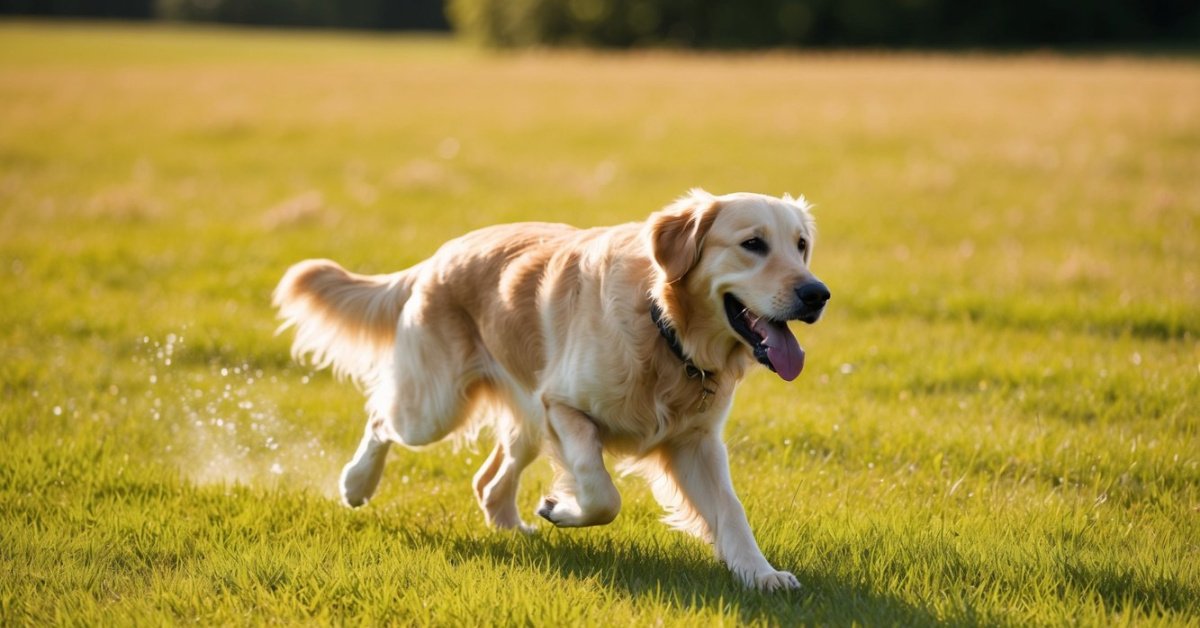
Bringing a Golden Retriever puppy into your home is an exciting adventure filled with joy and laughter. These lovable furballs are known for their friendly nature and boundless energy, but to ensure they grow into well-rounded adults, proper socialization is key. It’s not just about playdates; it’s about helping them navigate the world around them.
Importance Of Socialization For Golden Retrievers
Socialization plays a vital role in a Golden Retriever puppy’s development. It helps them adjust to their environment, interact with others, and develop into well-behaved adults.
Benefits Of Early Socialization
- Improved Behavior: Early socialization leads to better behavior in adult dogs. It reduces anxiety and fear in new situations.
- Enhanced Confidence: Exposure to various experiences builds confidence. Confident dogs are less likely to develop behavioral issues.
- Social Skills: Early interactions with people and other animals teach essential social skills. Good manners and appropriate responses develop through these experiences.
- Better Adaptability: Puppies adjusted to diverse environments adapt easily to changes. This adaptability reduces stress in new situations.
- Stronger Bonds: Socialized puppies create stronger bonds with their families. They become more affectionate and trusting companions.
Risks Of Lack Of Socialization
- Fearfulness: Unsocialized puppies often develop fearful behaviors. Reactivity to new faces or sounds can result from fear.
- Aggression: Lack of positive interactions increases the risk of aggression towards strangers or other dogs. This behavior can lead to dangerous situations.
- Anxiety: Unsocialized dogs may experience separation anxiety or general anxiety. This condition can affect overall well-being and quality of life.
- Clinginess: Puppies that miss out on social experiences may become overly attached to their owners. This clinginess can hinder independence.
- Behavioral Problems: Unsocialized puppies may develop various behavioral issues, including excessive barking or destructive behavior. These problems often stem from fear or frustration.
Investing time in socializing my Golden Retriever puppy leads to a well-adjusted adult dog, while neglecting this essential step poses various risks.
Best Age For Socialization
Socialization for a Golden Retriever puppy should begin early, ideally during the critical developmental stage. The first few months set the foundation for their future behavior and social interactions.
Critical Development Period
The critical development period for puppies occurs between 3 and 14 weeks. During these weeks, puppies are particularly receptive to new experiences, making this an ideal time for socialization. Exposing puppies to various environments, people, and other animals helps them develop into confident adults. Socialization activities within this timeframe can lead to better adaptability and reduce the chances of behavioral issues later on. Aim for a range of experiences, including car rides, visits to different locations, and interactions with various animals and people to maximize their exposure.
Signs Of Readiness
Observing a puppy’s behavior helps determine their readiness for socialization. Key signs include curiosity, a relaxed body posture, and an eagerness to explore. If a puppy approaches new situations with an open attitude, they are likely ready for social experiences. On the other hand, signs of stress, such as tail tucking, excessive barking, or avoidance behavior, indicate that a puppy may require a gentler introduction. Adjust socialization efforts based on their comfort level, ensuring that each experience remains positive and encouraging.
Recommended Socialization Activities
Socialization activities offer valuable experiences for Golden Retriever puppies. Engaging in diverse experiences sets the stage for developing confident and well-adjusted adult dogs. Here are some effective activities to consider:
Exposure To People
Exposing my puppy to various people helps build their comfort around strangers. I take my puppy to busy places like parks or dog-friendly cafes. I encourage friends and family members to greet my puppy gently, allowing them to experience different ages and appearances. I also enroll in puppy classes, where they can interact with various people in a controlled environment. Positive interactions during these encounters promote trust and reduce fear, paving the way for friendly adult dogs.
Interactions With Other Dogs
Allowing my puppy to interact with other dogs enhances their social skills and promotes positive behavior. I seek out well-mannered dogs for playdates, ensuring the interactions are supervised. Visiting dog parks provides an excellent chance for my puppy to learn appropriate play, body language, and communication skills with peers. I pay attention to my puppy’s reactions, stepping in if play becomes overwhelming. These positive experiences contribute to their ability to be friendly and confident around other dogs as they grow.


Visits To Different Environments
Introducing my puppy to different environments prepares them for the variety of experiences they’ll encounter as adults. I take my puppy on outings to various locations like busy streets, shopping centers, and nature trails. These new environments allow my puppy to encounter different sights, sounds, and smells. I keep the visits short and positive, allowing my puppy to explore at their own pace. Gradually, these experiences build my puppy’s confidence and adaptability to new situations, ensuring they grow up to be well-rounded dogs.
Essential Training Techniques
Effective training techniques are crucial for Golden Retriever puppies during socialization. These methods help build confidence and proper behavior while engaging positively with their environments.
Positive Reinforcement
Positive reinforcement encourages desired behaviors in puppies. Rewarding good behavior with treats, praise, or playtime motivates them to repeat those actions. For example, when my puppy greets a new person calmly, I immediately offer a treat. This reinforces the idea that positive interactions yield rewards. Consistent use of positive reinforcement helps puppies associate socialization experiences with pleasurable outcomes.
Controlled Exposure
Controlled exposure involves gradually introducing puppies to new stimuli in a safe environment. Start with low-stress settings, such as inviting a calm friend over or visiting a quiet park. I find short, positive sessions most effective. Each introduction should be brief and enjoyable, preventing overwhelming experiences. Gradually increase exposure intensity as my puppy becomes more comfortable. Controlled exposure builds their confidence and adaptability to varying situations.
Desensitization Methods
Desensitization methods reduce fear or anxiety triggers in puppies. I use gradual, repeated exposure to the specific stimuli that might cause a reaction, such as loud noises or unfamiliar animals. For example, if my puppy is anxious about vacuum cleaners, I allow them to observe it from a distance while rewarding calm behavior. Over time, I gradually decrease the distance. This approach helps my puppy develop coping mechanisms and reduces anxiety, promoting a well-adjusted adult dog.

Common Challenges In Socialization
« Discover the Benefits of Joining a Golden Retriever Club for Dog Owners
Golden Retriever Agility for Beginners: A Complete Guide to Training and Bonding »
Socializing a Golden Retriever puppy comes with challenges, which can impact their development. Recognizing these issues helps me address them effectively during the socialization process.
Fearfulness And Anxiety
Fearfulness and anxiety can impede a puppy’s ability to engage with new experiences. Puppies may show signs of stress through excessive barking, cowering, or hiding. Exposing them gradually to unfamiliar environments helps counteract these reactions. I often look for safe opportunities, like quiet parks or controlled social settings, to introduce my puppy to new sights and sounds. Positive reinforcement, such as treats or praise, helps create a sense of security during these encounters.
Overexcitement
Overexcitement can lead to jumping, barking, and difficulty focusing, which complicates socialization. I notice that my puppy may become overly stimulated in crowded spaces or during interactions with other dogs. Managing exposure levels is crucial; I keep interactions brief and calm, allowing my puppy time to adjust. Encouraging relaxed behavior through training commands, like “sit” or “stay,” helps teach self-control, making social experiences more enjoyable.
Aggression
Aggressive behaviors pose a significant concern during the socialization process. If my puppy displays growling or lunging, it’s essential to evaluate the triggers. This response often stems from fear or insecurity. I prioritize early interventions through controlled introductions to other dogs and people, using positive reinforcement to reinforce calm behavior. Understanding the signs of discomfort—like stiff body language or raised hackles—enables me to intervene before aggression escalates, ensuring a safer environment for everyone involved.
Conclusion
Socializing my Golden Retriever puppy has been one of the most rewarding experiences. Watching them grow into a confident and well-adjusted adult dog brings me so much joy. I’ve learned that investing time in their socialization not only strengthens our bond but also helps them navigate the world with ease.





It’s all about patience and consistency. Every little interaction counts and contributes to their development. So whether it’s a trip to the park or a playdate with friends, I cherish these moments. Remember that the early days of socialization are crucial. With the right approach, I know my puppy will thrive and become the loving companion I’ve always dreamed of.