Key Takeaways
- Golden Retrievers excel in agility competitions due to their natural athleticism, intelligence, and eagerness to please, making them well-suited for navigating obstacle courses.
- Agility training supports physical and mental development in puppies, improving their strength, coordination, and problem-solving skills while fostering a healthier lifestyle.
- Key skills for agility success include effective jumping and weaving techniques, which enhance performance and strengthen the bond between the puppy and handler.
- Structured training programs and socialization are crucial for preparing puppies for competitions, focusing on basic obedience and exposing them to various environments to build confidence.
- Common challenges such as lack of focus, fear of obstacles, and competition anxiety can be mitigated through consistent training routines and gradual exposure to agility equipment.
- Positive reinforcement and clear communication between handlers and their puppies are essential for success, ensuring a rewarding experience for both during agility competitions.
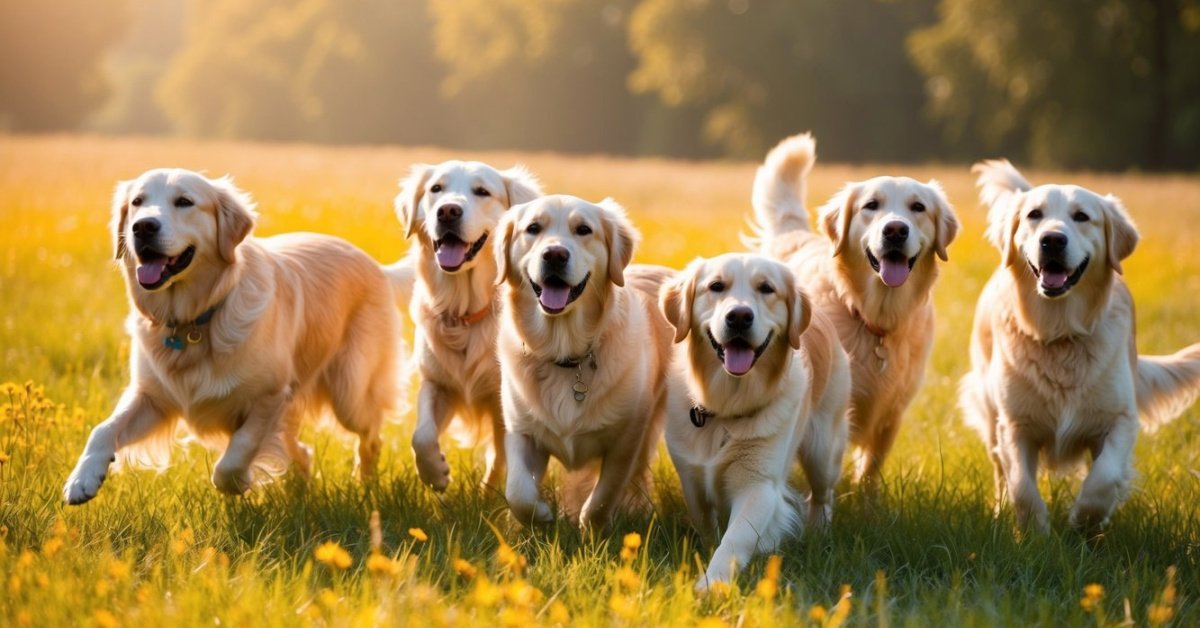
There’s something incredibly heartwarming about watching a Golden Retriever puppy bounce through an agility course. Their boundless energy and playful spirit make them natural athletes, and agility competitions provide the perfect outlet for their enthusiasm. As a proud dog owner, I can’t help but feel excited about the joy these events bring to both pups and their handlers.
Overview of Golden Retriever Agility Competitions
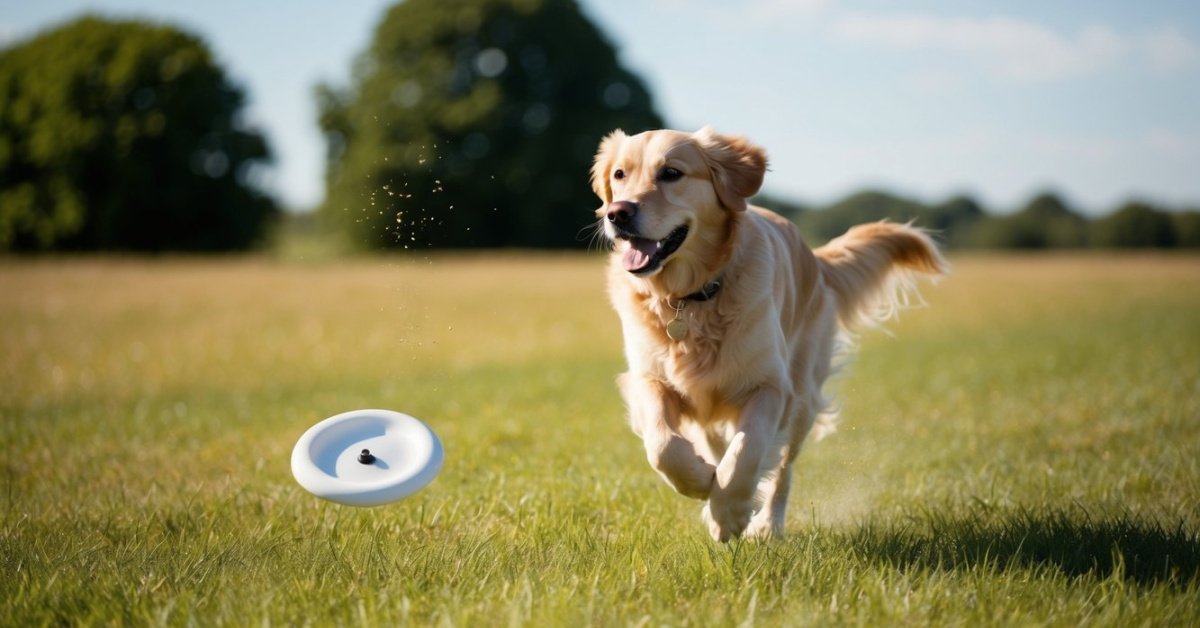
Golden Retriever agility competitions showcase the remarkable skills and agility of these dogs. Such events involve navigating obstacle courses that include jumps, tunnels, and weave poles, which test both the dog’s physical abilities and their handler’s guidance. The thrill of watching puppies dash through these challenges captivates both participants and spectators.
Competitions emphasize teamwork between the dog and handler. Handlers communicate commands and encourage their puppies, transforming agility into a fun bonding experience. Golden Retrievers, known for their intelligence and eagerness to please, exhibit a natural talent for agility, making them a favorite in these contests.
Events often cater to various levels, allowing puppies to compete in age-appropriate categories. This structure promotes a positive experience, reinforcing confidence and skills. Observing the joy of Golden Retrievers as they confidently tackle obstacles highlights the importance of early training and socialization in a puppy’s development.
Competitors typically include puppies and adult Golden Retrievers, fostering a sense of community among participants. Dog owners share tips and celebrate each other’s achievements while cheering for their furry friends. This supportive environment aligns with my passion for animal welfare, reinforcing the bond between animals and their humans.
Importance of Agility Training for Puppies
Agility training plays a vital role in a puppy’s development, especially for energetic breeds like Golden Retrievers. It fosters a healthy lifestyle and strengthens the bond between us and our furry companions.
Physical Benefits
Agility training offers numerous physical advantages for puppies. Enhancing muscle strength and improving coordination, this type of exercise helps puppies develop their athletic abilities. It promotes cardiovascular health by keeping their hearts strong and active. Engaging in agility courses like jumps, tunnels, and weave poles encourages endurance and flexibility. Active puppies are less prone to obesity and related health issues, ensuring they grow up strong and happy.
Mental Stimulation
Mental stimulation is crucial for a puppy’s overall well-being. Agility training challenges their problem-solving skills and encourages focus. As they navigate courses, puppies learn to think on their feet and develop quick decision-making abilities. This mental engagement reduces boredom and destructive behaviors often seen in young dogs. Additionally, it reinforces obedience and enhances communication between the puppy and handler. By fostering these skills, agility training prepares puppies for more complex tasks and enriches their daily lives.
Key Skills for Success in Agility
Golden Retriever puppies thrive in agility competitions when they master specific skills. Two essential skills include effective jumping techniques and weaving skills. These abilities not only enhance their performance but also strengthen the bond between the puppy and handler.


Jumping Techniques
Jumping techniques play a critical role in agility courses. Golden Retrievers excel in this area due to their natural athleticism. Trainers should focus on a few key aspects:
- Takeoff Point: Educating puppies on the correct takeoff point is essential. The ideal position ensures optimal height and distance.
- Body Control: Instilling body control helps puppies maintain balance and stability while airborne. Teaching them to tuck their legs during jumps enhances their performance.
- Confidence Building: Gradually introducing different jump heights boosts a puppy’s confidence. Start with lower jumps and increase difficulty as they improve.
Weaving Skills
Weaving skills are another fundamental aspect of agility training. Golden Retrievers exhibit agility and speed while navigating through weave poles. Here are crucial techniques to develop this skill:
- Proper Positioning: Instructing puppies on the correct starting position sets the foundation for effective weaving. Ensure they approach the poles in alignment with their body.
- Motivation Techniques: Utilizing treats or toys encourages puppies to focus on weaving. Positive reinforcement rewards successful attempts, promoting enthusiasm.
- Consistency: Practicing weaving drills regularly establishes muscle memory. Regular sessions yield remarkable improvements in their speed and accuracy.
These core skills ensure Golden Retriever puppies enjoy a successful agility journey, fostering confidence and enhancing their performance on the course.
Preparing for Competitions
Preparing puppies for agility competitions requires dedication and structured training. Focus on their learning experience and build a solid foundation.
Training Programs
Training programs for agility competitions should emphasize basic obedience before introducing obstacles. Incorporate positive reinforcement methods, as these motivate puppies effectively. Break down agility skills into manageable steps to prevent overwhelming them. Start with simple commands like “sit,” “stay,” and “come,” as these promote better communication. Gradually add agility equipment such as jumps and tunnels, ensuring each session is fun and engaging. Consistent practice, combined with short training sessions of about 10-15 minutes, fosters better retention and reduces fatigue.
« Golden Retriever Book Reviews for 2025: Must-Read Titles Every Dog Lover Will Adore
Training a Golden Retriever for Nose Work: Unlock Your Dog’s Potential with Fun Techniques »
Engage in techniques specific to agility, like cue training to improve responsiveness and build confidence. Focus on essential jumps by teaching the correct takeoff point, ensuring puppies learn timing and body control. Incorporate coordination exercises that establish connections between jumping and landing, reinforcing muscle memory. Within weeks, you’ll notice how quickly your Golden Retriever puppies progress as they navigate courses with enthusiasm and skill.
Socialization Tips
Socialization plays a vital role in preparing puppies for agility competitions. Expose Golden Retriever puppies to various environments, people, and other animals to build their confidence and adaptability. Controlled playdates with fellow puppies promote social skills and reduce anxiety. Frequent trips to local parks or organized puppy classes introduce new sights and sounds, enhancing comfort levels in diverse situations.
Encourage interaction with different textures found in agility equipment. Allow puppies to explore jumps, tunnels, and weave poles in a positive setting. Making these experiences fun helps mitigate anxiety during competitions. Reinforce positive interactions with treats and praise, creating a rewarding atmosphere that fosters trust between the puppy and handler. Overall, solid socialization sets the stage for a successful agility journey.
Common Challenges and Solutions
Agility competitions for Golden Retriever puppies come with various challenges. Addressing these obstacles effectively fosters a successful experience for both the puppy and handler.
Lack of Focus
Puppies often struggle with focus during competitions. Distractions can arise from the environment or fellow competitors. Keeping training sessions short and engaging helps maintain their attention. Incorporating high-value treats or favorite toys can also enhance their motivation and focus.




Inconsistent Training
Inconsistent training methods can lead to confusion. Puppies benefit from structure and routine. Establishing a consistent training schedule, using clear commands, and rewarding desired behaviors reinforce learning. Consistency not only builds skills but also strengthens the bond between the puppy and me.
Fear of Obstacles
Some puppies exhibit fear or hesitation when encountering agility equipment. Gradual exposure to these obstacles helps build confidence. Starting with lower heights and introducing obstacles slowly allows puppies to acclimate at their own pace. This method reduces anxiety and encourages a positive association with the equipment.
Physical Limitations
Golden Retriever puppies may face physical limitations that affect their performance. It’s crucial to assess their physical capabilities and avoid overexertion. Incorporating warm-up exercises and focusing on proper body mechanics ensures they perform safely. Understanding their limits prevents injuries and promotes long-term health.
Motivation During Practice
Sometimes, puppies lack motivation during practice. Boredom can set in, affecting their engagement. Mixing up training routines by introducing new games or varying the course keeps things fun. Using agility toys, like tunnels or weave poles, adds excitement and challenges their problem-solving skills.
Competition Anxiety
Competition can be overwhelming for puppies. They may experience anxiety from the crowd or noise. Familiarizing them with competition environments prior to events helps reduce stress. Attending practice events or familiarizing them with the venue beforehand promotes comfort and confidence on the day of competition.
Ineffective Communication
Miscommunication between the handler and puppy can hinder performance. Clear and consistent commands are essential. Practicing hand signals and voice commands together helps establish reliable communication. Positive reinforcement strengthens this understanding, enhancing teamwork during competitions.
By addressing these common challenges proactively, I can ensure that my rescues—especially the Golden Retriever puppies—thrive in agility competitions. Prioritizing their well-being and happiness not only enriches their lives but also maximizes the joy that comes from sharing these experiences with them.
Conclusion
Watching my Golden Retriever puppy tackle agility courses is one of the most rewarding experiences. The sheer joy they exhibit while navigating jumps and tunnels is infectious. It’s not just about competition; it’s about the bond we’re building together.
I love seeing how agility training boosts their confidence and keeps them physically and mentally stimulated. Every little achievement brings us closer and makes training sessions feel like playtime.
If you’re considering getting involved in agility competitions with your pup I encourage you to dive in. You’ll create unforgettable memories while also enhancing your puppy’s skills and confidence. It’s truly a win-win for both of us!