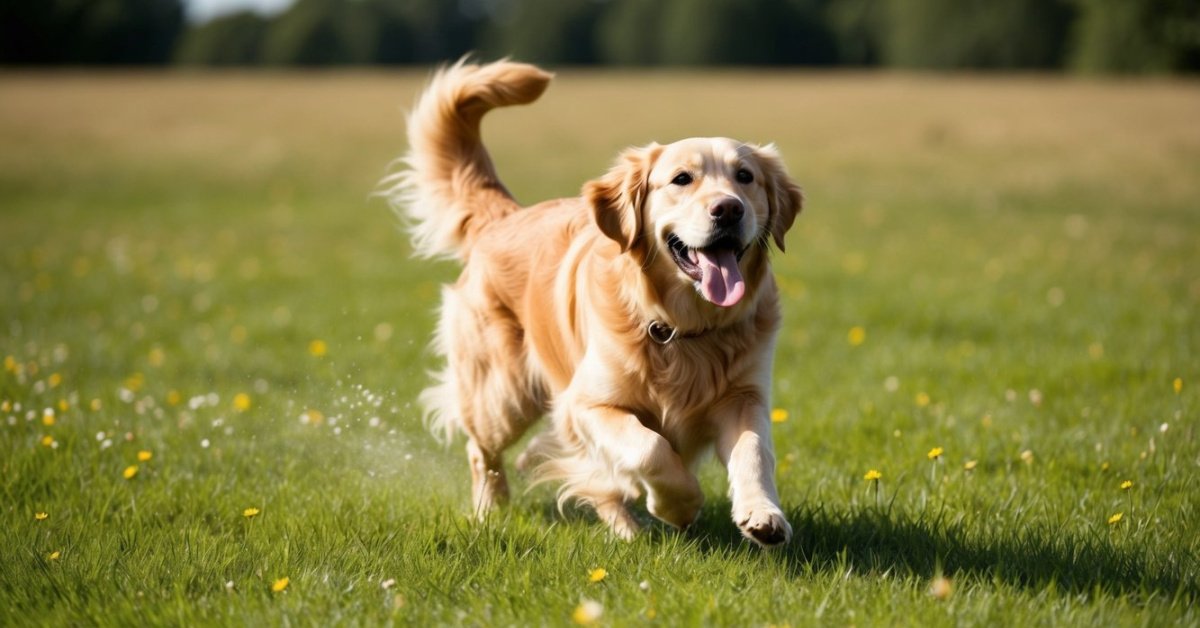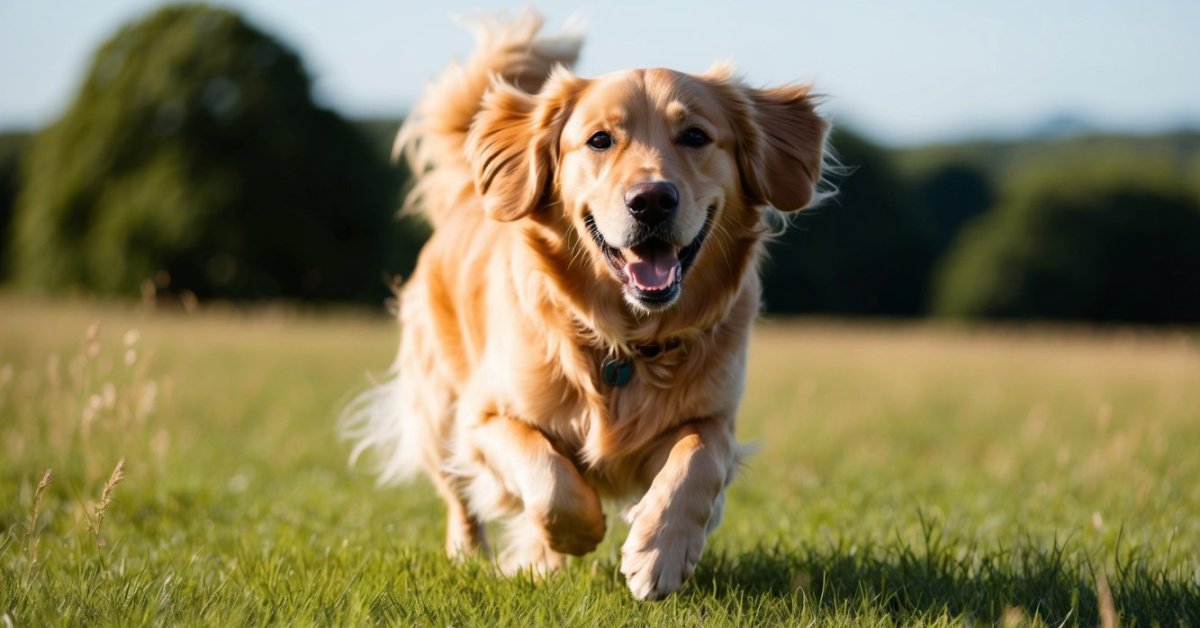
Golden Retrievers are one of the most beloved dog breeds, known for their friendly nature and boundless energy. Watching a Golden Retriever grow from a playful puppy into a loyal adult is an incredible journey filled with joy and discovery. Each stage of their development brings unique challenges and rewards that every owner should understand.
Golden Retriever Growth Stages: Puppy to Adult
Golden Retrievers experience distinct growth stages from puppyhood to adulthood, each with unique characteristics and needs.
Puppy Stage (0-6 Months)
- Physical Growth: Rapid development occurs during this time. Puppies can gain 5-10 pounds each month.
- Socialization: This stage is crucial for socialization. Introduce your puppy to different people, pets, and environments.
- Training: Start basic training commands, like “sit” and “stay.” Consistent reinforcement fosters good behaviors.
Adolescent Stage (6-12 Months)
- Physical Changes: Growth slows but continues, with many Goldens reaching half their adult weight by 6 months.
- Behavioral Changes: Adolescents may exhibit testing behaviors, including stubbornness and independence. Patience is vital during this phase.
- Continued Training: Maintain training for obedience and proper manners. Enroll in puppy classes for social interaction and additional learning.
Young Adult Stage (1-2 Years)
- Maturity: Golden Retrievers begin to mature both physically and emotionally around 1 year but can remain playful until 2 years.
- Energy Levels: Energy levels peak during this stage. Regular exercise, like daily walks and playtime, remains essential to keep them healthy.
- Health Considerations: Regular vet check-ups and monitoring for breed-specific issues, like hip dysplasia, become increasingly important.
Adult Stage (2 Years and Beyond)
- Physical Development: Full-grown Golden Retrievers typically weigh between 55-75 pounds, depending on their gender and genetics.
- Behavioral Stability: With maturity, behaviors become more predictable. Adults may bond more closely and exhibit loyalty to their families.
- Continued Care: Provide ongoing care, including a balanced diet, regular exercise, and mental stimulation to maintain their well-being.
Understanding these growth stages helps me prepare for the journey ahead, ensuring my Golden Retriever reaches their fullest potential.
Characteristics of Each Growth Stage
Each growth stage of a Golden Retriever showcases unique characteristics and requirements that influence their development. Understanding these traits helps me provide tailored care for my pup throughout their journey.
Birth to 2 Weeks
Newborn Golden Retrievers are entirely dependent on their mother. They spend most of their time eating and sleeping, with limited mobility. Their eyes and ears remain closed during this period. As they grow, I’ll notice slight weight gain each day, which indicates good health. This stage emphasizes warmth and nutrition, essential for proper development.
2 Weeks to 4 Weeks
At two weeks, puppies become more active. Their eyes begin to open, and they’ll start responding to sounds. Socialization becomes crucial as they slowly interact with their littermates and environment. I can introduce gentle handling to help them become accustomed to human contact. Proper nutrition continues to support their rapid growth, and I’ll monitor their development closely.
4 Weeks to 12 Weeks
Between four and twelve weeks, Golden Retrievers display significant behavioral changes. They start exploring their surroundings and developing key social skills through play. This is the optimal time for starting basic training, such as potty training and simple commands. I could also expose my pup to various people and environments to foster confidence. Vaccinations become essential during this stage to protect their health.
3 Months to 6 Months
From three to six months, my Golden Retriever experiences rapid growth and bursts of energy. Teeth begin to emerge, leading to chewing behaviors. Consistent training and socialization remain key, as they may test boundaries. Regular exercise helps channel their energy; however, I must ensure it’s age-appropriate to prevent injury. This stage also marks the beginning of their adolescent phase, which can introduce behavioral challenges.
6 Months to 1 Year
By six months, my Golden Retriever is entering adolescence, marked by physical growth and hormonal changes. This period may bring changes in behavior, including stubbornness and heightened energy levels. Ongoing training is essential to reinforce good behavior and habits. Regular exercise and mental stimulation remain vital to keep them engaged. Health check-ups become necessary to monitor growth, weight, and overall well-being during this transformative stage.

Importance of Socialization
Socialization plays a crucial role in a Golden Retriever’s development. It shapes their behavior, promotes confidence, and enables them to thrive in various environments.
Early Socialization Tips
- Expose your puppy to different environments like parks, homes, and busy streets during the first few months.
- Introduce your puppy to diverse people, including men, women, and children, to foster friendly interactions.
- Encourage playtime with other vaccinated puppies and friendly dogs to develop social skills.
- Participate in puppy classes where structured activities teach basic commands and socialization techniques.
- Reward positive behaviors with treats or praise to reinforce good interactions.
Benefits of Socialization
- Promotes confidence, helping prevent anxiety and fear in new situations.
- Enhances communication skills, allowing your Golden to interact positively with other dogs and people.
- Reduces behavioral problems, such as aggression or excessive barking, caused by fear or insecurity.
- Encourages adaptability, enabling your dog to handle changes in their environment more comfortably.
- Fosters lifelong friendships, creating a well-adjusted adult dog who enjoys playtime and social engagement.
Nutrition During Growth Stages
Providing proper nutrition throughout the growth stages of a Golden Retriever is essential for their health and development. Each stage demands different dietary requirements to support their rapid growth and energy needs.
Puppy Dietary Needs
During the Puppy Stage (0-6 months), Golden Retrievers require a high-quality, nutrient-dense puppy food. This food should contain at least 22% protein and 8% fat to fuel their growing bodies. I recommend selecting food specifically formulated for large breeds, as this helps manage their growth rate and supports healthy bone development. Incorporating Omega-3 fatty acids promotes brain health, while antioxidants boost the immune system. Feeding smaller, frequent meals (3-4 times a day) aids digestion and prevents overeating.
Transitioning to Adult Food
As Golden Retrievers enter the Young Adult Stage (1-2 years), transitioning to adult food becomes crucial. I typically recommend switching from puppy food when they reach around 80% of their expected adult weight to prevent obesity and ensure balanced growth. Adult dog food should contain no less than 18% protein and maintain fat levels around 5-8%. Gradually mix the new food with the old over a week to ease the transition, reducing digestive upset. Ongoing nutrition monitoring is vital to meet energy needs and support overall health.
Health Considerations
Monitoring the health of a Golden Retriever throughout its growth stages is essential for promoting a long, happy life. Awareness of common health issues and commitment to regular veterinary care enhance overall well-being.

Common Health Issues
« How to Stop Golden Retriever Jumping on People: Effective Training Tips and Strategies
How to Train a Golden Retriever to Lie Down: Tips for Success and Bonding »
Golden Retrievers are prone to specific health concerns that I must keep in mind. These common issues include:
- Hip Dysplasia: A genetic condition where the hip joint doesn’t fit snugly into the hip socket, leading to arthritis.
- Elbow Dysplasia: Similar to hip dysplasia, this affects the elbow joint, often resulting in lameness and pain.
- Heart Disease: Specifically, dilated cardiomyopathy can develop, leading to heart-related complications.
- Cancer: Goldens have a higher cancer incidence, particularly lymphoma and hemangiosarcoma.
- Skin Conditions: Allergies and skin infections may arise due to environmental factors or dietary sensitivities.
Recognizing the signs early—like limping, coughing, or excessive scratching—allows prompt veterinary attention, improving outcomes.
Regular Veterinary Care
Regular veterinary visits play a vital role in my Golden Retriever’s health. Routine care includes:
- Annual Check-Ups: Regular assessments identify potential health issues early, including vaccinations and weight management.
- Teeth Cleaning: Dental health impacts overall well-being, so scheduling professional cleanings helps prevent periodontal disease.
- Parasite Control: Discussing prevention options for fleas, ticks, and heartworms with the veterinarian protects against common parasites.
- Vaccinations: Keeping up with immunizations is crucial, especially during the puppy stage. Vaccines protect against serious diseases like distemper and parvovirus.
- Health Screenings: As my dog ages, additional screenings for common issues become essential, particularly for hip and heart evaluations.
Prioritizing consistent veterinary care and being vigilant about health concerns supports my Golden Retriever’s happiness and longevity.
Conclusion
Watching my Golden Retriever grow from a playful puppy to a loyal adult has been one of the most rewarding experiences of my life. Each growth stage brings its own joys and challenges that shape their unique personality.





I’ve learned that patience and love go a long way in guiding them through their development. By focusing on socialization, proper nutrition, and regular health check-ups, I can ensure my furry friend leads a happy and healthy life.
Every moment spent together strengthens our bond and creates memories I’ll cherish forever. Here’s to the journey of raising a Golden Retriever and all the joy they bring into our lives!