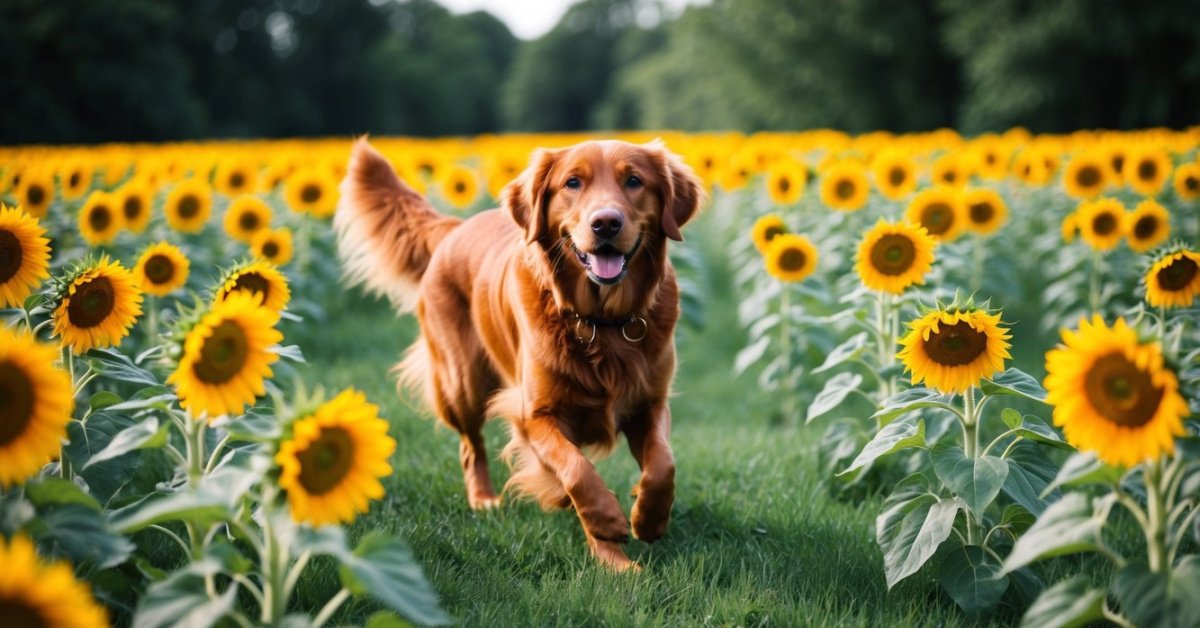
Bringing home a Golden Retriever puppy is an exciting adventure filled with wagging tails and playful antics. But with that joy comes the responsibility of training, and crate training can be one of the most effective tools in your toolkit. It’s not just about keeping your pup safe; it’s about creating a cozy space where they can feel secure and learn good habits.
Understanding Crate Training
Crate training shapes a puppy’s behavior and creates a safe space for them. Understanding the benefits and addressing misconceptions helps in effective crate training.
Benefits of Crate Training
- Safety and Security: A crate provides a safe haven for the puppy, protecting them from household hazards while unsupervised.
- Housebreaking Aid: Crates help establish a bathroom routine, reducing accidents inside the home.
- Travel Convenience: Crates make travel easier and safer for puppies, ensuring they remain secure during car rides and in new environments.
- Stress Relief: A crate can serve as a retreat for the puppy during stressful situations, such as loud noises or gatherings.
- Preventing Destructive Behavior: By confining the puppy, crate training minimizes the temptation to chew on furniture or other items when left alone.
Common Misconceptions
- Crates Are Punitive: Many believe crates serve as punishment, but they actually promote a positive space for the puppy.
- Puppies Can’t Stand Being in a Crate: It’s a misconception that puppies dislike crates; with proper introduction, they learn to appreciate it as a cozy den.
- Crates Are Like Jail: Crates aren’t confinement; they’re tools that help in training and provide structure, similar to a child’s playpen.
- Leaving Puppies in Crates for Hours: Some think long periods in crates are fine, but it’s important to limit time and ensure adequate exercise and potty breaks.
- All Crating Methods Are Equal: Not all techniques work for every puppy; customization based on individual needs enhances success in crate training.
Getting Started with Crate Training
Crate training my Golden Retriever puppy sets the foundation for a safe and secure environment. Following a few steps ensures a smooth introduction to the crate.
Choosing the Right Crate
Choosing the right crate involves considering size, material, and design.
- Size: Pick a crate that’s large enough for my puppy to stand, turn around, and lie down comfortably. For Golden Retrievers, a crate size of 36 to 42 inches generally works best as they grow.
- Material: Explore options like metal, plastic, or fabric. Metal crates offer durability and good ventilation; plastic crates provide a den-like feel; fabric crates are lightweight and portable.
- Design: Opt for a design that’s easy to clean. Removable trays make maintenance simple. A double-door design offers flexibility in placement.
Preparing Your Puppy for Crate Training
Preparing my puppy for crate training involves creating positive associations with the crate.
- Familiarization: Introduce the crate in a quiet area of the house. Keep the door open so my puppy can explore at their own pace.
- Comfort: Make the crate inviting. Add soft bedding or toys, and consider including an item with my scent to encourage comfort.
- Short Sessions: Start with short crate sessions while I’m at home. Gradually increase the duration as my puppy becomes more accustomed to the crate. I can reward them with treats for entering the crate voluntarily.
Following these steps ensures my Golden Retriever puppy learns to view the crate as a safe haven, setting the stage for successful crate training.
Implementing Crate Training Techniques
Implementing effective crate training techniques fosters a positive experience for both me and my Golden Retriever puppy. Following a structured approach helps create a safe and comfortable environment as training progresses.
Step-by-Step Training Process
- Introduce the Crate: I place the crate in a common area where my puppy spends time. I encourage my puppy to explore it without pressure, allowing curiosity to take its course.
- Reward Exploration: I toss treats or toys inside the crate to promote positive associations. When my puppy enters the crate on their own, I praise and reward them immediately.
- Gradually Close the Door: I start closing the crate door for short periods while my puppy is inside. I gradually increase the time the door remains closed, ensuring my puppy remains calm.
- Establish a Routine: I create a consistent schedule for crate time during the day. This includes having specific times for meals, playtime, and crate time, helping my puppy understand expectations.
- Practice Short Durations: I’m careful to increase crate time slowly, initially keeping it to just a few minutes. I responsibly work up to longer durations as my puppy becomes more accustomed.
- Encourage Successful Behavior: I reward calm behavior in the crate with treats and praise. If my puppy whines or barks, I wait until they settle down before providing attention.
- Supervise and Limit Crate Time: I avoid using the crate for extended periods. I ensure that my puppy gets plenty of exercise and social interaction outside the crate.
Tips for Successful Crate Training
- Create a Positive Environment: I make the crate a cozy space by including soft bedding and favorite toys. This invites my puppy to rest comfortably.
- Utilize Commands: I teach my puppy commands like “go to your crate” to reinforce crate training. This helps establish clear communication regarding crate time.
- Monitor Stress Levels: I pay attention to my puppy’s reactions to the crate. If I notice signs of anxiety, I adjust the crate training approach or seek a more gradual process.
- Be Patient and Consistent: I remain consistent with training routines and remain patient. It takes time for my puppy to adjust to their new environment.
- Avoid Negative Associations: I refrain from using the crate as a punishment. I emphasize that the crate is a safe space, not a place of confinement.
Implementing these crate training techniques and tips ensures that my Golden Retriever puppy learns to see the crate as a safe, comfortable den. This training not only benefits the puppy but also enhances our bond through positive experiences.
Troubleshooting Common Issues
Crate training a Golden Retriever puppy can come with its challenges. I’ve encountered a few common issues but found effective ways to handle them.


Addressing Whining and Barking
Whining and barking in the crate often signal discomfort or a need for attention. Observing the timing of these behaviors helps in understanding the cause. If the puppy whines after being crated, it might need a bathroom break. If it barks when it sees me, I ignore the noise and wait for silence before offering attention. I also ensure the crate environment is comfortable, using soft bedding and favorite toys. Gradually increasing crate time while rewarding calmness reinforces the message that quiet behavior is appreciated.
Overcoming Reluctance to Enter the Crate
Some puppies may hesitate to enter the crate. Tempting them with treats can make the crate more inviting. Placing treats or toys inside encourages exploration. I also sit near the crate and use upbeat, encouraging tones to create positive associations. If the puppy is still hesitant, I leave the crate door open and allow it to investigate at its own pace. Using a command, like “crate” or “kennel,” consistently reinforces the desired behavior. A relaxed attitude is key; forcing the puppy only builds anxiety.
Conclusion
Crate training my Golden Retriever puppy has been a rewarding journey. I’ve seen how a well-introduced crate can become a cozy haven for my pup rather than a place of confinement. With patience and positive reinforcement, I’ve built a routine that not only helps with housebreaking but also strengthens our bond.
Every puppy is unique so tailoring my approach has been key. I’ve learned to be attentive to my puppy’s needs and adjust my methods accordingly. It’s all about creating a safe and inviting environment. With time and effort, I’m confident that my puppy will thrive and see the crate as a special retreat. Happy training!